
In the world of aesthetic enhancements, fuller lips remain one of the most sought-after features. The quest for the perfect pout has evolved dramatically, moving from makeup tricks and overnight “hacks” to a wide array of medical and cosmetic procedures. Among these, hyaluronic acid (HA) lip fillers have risen to prominence as the gold standard for non-surgical lip augmentation. However, they are far from the only option. From permanent implants to fat grafting and even topical products, consumers face a complex landscape of choices.
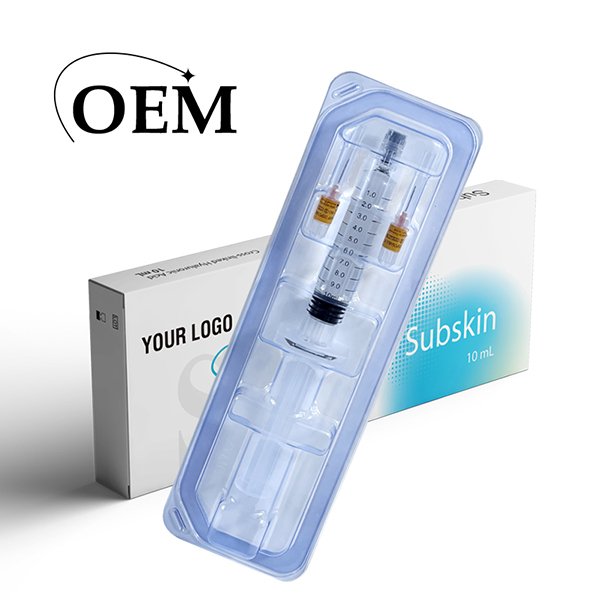
This comprehensive guide will delve deep into the science, benefits, drawbacks, and outcomes of hyaluronic acid lip fillers compared to other major lip enhancement methods. We will analyze real-time data, clinical insights, and aesthetic considerations to help you make an informed decision tailored to your unique goals.
The Reign of Hyaluronic Acid Fillers: How They Work and Why They Dominate
Hyaluronic acid is a sugar molecule naturally found in our skin, joints, and connective tissues, renowned for its incredible capacity to retain moisture—up to 1,000 times its weight in water. In dermal fillers, HA is synthesized in a laboratory to create a clear, gel-like substance that is biocompatible and biodegradable.
When injected into the lips by a skilled practitioner, HA fillers add volume, define the lip border (vermillion border), smooth vertical lip lines, and improve overall lip shape and proportion. Their dominance in the market isn’t accidental. According to the American Society of Plastic Surgeons (ASPS), over 3.4 million soft tissue filler procedures were performed in 2022, with a significant portion targeting the lips. HA fillers like Juvéderm and Restylane lead this category.
Key Advantages of HA Fillers:
- Reversibility: This is arguably their greatest safety feature. If a patient is unhappy with the result, an enzyme called hyaluronidase can be injected to dissolve the filler, effectively reversing the procedure.
- Natural Feel and Look: Modern HA gels are designed to integrate smoothly with tissue, offering a soft, natural texture.
- Gradual Absorption: Results typically last 6 to 12 months, making it a semi-permanent option that allows for adjustments over time.
- Minimal Downtime: Aside from some temporary swelling, bruising, or redness, most patients resume normal activities immediately.
The procedure itself is quick, often called a “lunchtime procedure,” involving topical numbing cream and precise injections. Results are visible immediately, with final shape settling after a few weeks as swelling subsides.
A Competitive Landscape: Examining Other Lip Enhancement Methods
While HA fillers are popular, they are part of a broader ecosystem. Let’s examine the alternatives, from non-invasive to surgical.
1. Permanent Lip Implants
These involve surgically inserting solid silicone or other polymer strands (e.g., PermaLip) along the lip border to create a permanent outline and added fullness.
- Pros: Truly permanent result.
- Cons: Surgical procedure with longer recovery; risk of infection, hardening, or migration of the implant; results are fixed and cannot adapt to aging facial changes. Demand has waned significantly in favor of more adjustable options.
2. Autologous Fat Transfer (Fat Grafting)
This two-step procedure involves liposuction to harvest fat from another body area (like the abdomen), processing it, and then injecting it into the lips.
- Pros: Uses the patient’s own tissue, eliminating allergy risk; can feel very natural; results can be long-lasting if the fat establishes a blood supply (“takes”).
- Cons: A more involved surgical procedure; significant unpredictability in how much fat survives (typically 30-60%); can result in lumps or asymmetry; downtime is greater; over-correction is often needed initially. It’s less precise for subtle lip shaping.
3. Collagen-Based Fillers
Once the original dermal filler, collagen derived from bovine or human sources has been largely phased out of the market due to the superiority of HA. It required allergy testing, lasted only 2-4 months, and offered less volumizing effect.
4. Other Synthetic Fillers (e.g., Polymethylmethacrylate – PMMA)
Fillers like Bellafill contain microspheres that provide a permanent scaffold. They are FDA-approved for nasolabial folds but not specifically for lips. Use in lips is considered off-label and carries higher risks of nodules and granulomas, making most experts cautious about recommending them for this mobile, delicate area.
5. Topical and Non-Invasive Devices
- Lip Plumping Glosses: Use irritants (like cinnamon) to cause temporary swelling. Effects are minimal and last minutes to hours.
- Vacuum Devices: Use suction to temporarily increase blood flow and swelling. Effects are fleeting and can cause bruising.
- Microneedling with Radiofrequency or Laser Treatments: These can tighten the skin around the mouth and improve lip line texture but do not add significant volume. They are complementary rather than primary volumizing treatments.
Head-to-Head Comparison: Data, Longevity, Cost, and Risk Analysis
To visualize the core differences, the following table synthesizes key metrics based on current clinical data, practitioner surveys, and market analysis (2023-2024).
| Method | Primary Material | Typical Longevity | Average Cost (U.S.) | Key Advantages | Key Risks & Considerations |
|---|---|---|---|---|---|
| HA Fillers | Hyaluronic Acid Gel | 6-12 months | $600 – $2,000 per syringe | Reversible, natural, minimal downtime, highly customizable | Bruising, swelling, rare vascular occlusion, requires maintenance |
| Fat Grafting | Patient’s Own Fat | Potentially permanent, but variable | $2,000 – $5,000+ (surgical fee) | Natural material, dual benefit of liposuction, long-lasting if it “takes” | Surgical risks, unpredictable volume loss, lumps, longer recovery |
| Permanent Implants | Silicone/Polymer | Permanent | $2,000 – $4,000 | One-time procedure | Can feel hard, risk migration/infection, irreversible, may look unnatural with age |
| Topical/Devices | N/A | Minutes to Hours | $10 – $200 (device) | Non-invasive, no needles | Temporary, minimal effect, can irritate |
Data Insights:
- Market Trend: The global dermal filler market, driven by HA, is projected to grow at a CAGR of over 9% from 2024 to 2030 (Grand View Research). This underscores a clear preference for non-permanent, adjustable treatments.
- Patient Satisfaction: Surveys indicate over 90% patient satisfaction rates for HA lip fillers when administered by a qualified professional, citing “natural look” and “boost in confidence” as top outcomes.
- Safety Profile: HA fillers have an excellent safety record. The most serious risk, vascular occlusion (blocking a blood vessel), is extremely rare (estimated < 0.05% of cases) and can be mitigated by practitioner expertise and the availability of hyaluronidase as an antidote.
Making the Right Choice: A Personalized Decision Framework
Choosing a lip enhancement method is not one-size-fits-all. Consider this framework:
- Define Your “Why”: Is it subtle volume? Correcting asymmetry? Reversing age-related thinning? Defining the border? HA fillers excel at precision and subtlety. For major volume restoration, fat grafting might be considered.
- Consider Your Timeline & Commitment: Do you want to “test” a look? Prefer low maintenance? HA fillers offer flexibility. If you never want to repeat a procedure and accept surgical risks, implants may be tempting (though rarely recommended by experts today).
- Evaluate Risk Tolerance: Non-surgical, reversible HA procedures present lower inherent risks than surgical options like fat transfer or implants.
- Budget Over Time: While the per-session cost of HA fillers is lower, their recurring nature means costs accrue over a decade. A one-time surgical procedure has a higher upfront cost.
- The Practitioner is Paramount: More important than the material is the artist wielding the syringe or scalpel. Always choose a board-certified dermatologist or plastic surgeon with extensive lip anatomy experience. Review their before-and-after portfolio meticulously.
The Verdict: For most individuals seeking safer, customizable, and natural-looking results, hyaluronic acid fillers remain the unequivocal first-line recommendation. They offer the ideal balance of efficacy, safety, and flexibility in the dynamic landscape of facial aesthetics.
Professional Q&A: Addressing Common Lip Enhancement Concerns
Q1: I’ve heard HA fillers can migrate or cause a “duck lip” look. Is this true?
A: When performed by an experienced, conservative injector using modern, integrated HA products, migration is uncommon. The “duck lip” or overly done look is typically a result of overfilling or poor technique, not an inherent flaw of the product itself. This underscores the critical importance of choosing your provider based on skill and a portfolio of natural results.
Q2: How do I know if I’m a better candidate for fat transfer vs. fillers for my lips?
A: Fat transfer may be discussed if you: 1) Desire a more permanent solution and understand the volatility of results, 2) Are already planning a liposuction procedure elsewhere on your body, 3) Need significant volume restoration, and 4) Prefer using your own tissue. For fine-tuning, shaping, and achieving precise, predictable volume with minimal downtime, HA fillers are almost always the preferred starting point.
Q3: Are there any new technologies on the horizon that could replace HA fillers?
A: HA fillers continue to evolve with new formulations offering different levels of cross-linking for varied firmness and integration (e.g., Vycross technology in Juvéderm Volbella). Research is ongoing into longer-lasting biostimulatory fillers that encourage collagen (like Sculptra, though not for lips), but nothing currently matches the safety profile, reversibility, and predictability of HA for the lip area. The future lies in refining HA gels, not replacing them.
Q4: What is the #1 mistake people make when getting lip fillers for the first time?
A: Starting with too much volume. The best approach is a conservative, “less is more” strategy. A skilled injector will often recommend starting with 0.5 to 1 syringe maximum for a first treatment. This allows you to adjust to your new look and build volume gradually over subsequent sessions, ensuring a natural, harmonious outcome that complements your entire face.