
Introduction: The Rise of Male Aesthetic Enhancement
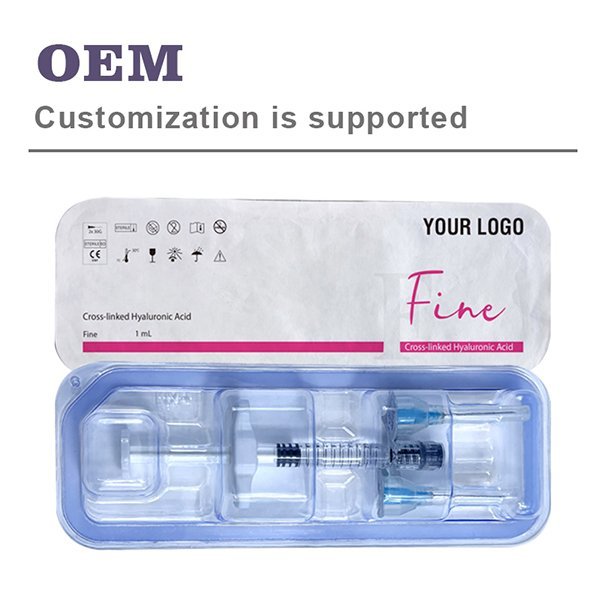
In recent years, the aesthetic industry has witnessed a significant shift: men are increasingly seeking cosmetic treatments to enhance their appearance and boost their confidence. Once a predominantly female domain, procedures like hyaluronic acid (HA) chin fillers are now seeing substantial growth among male clients. According to the American Society of Plastic Surgeons, minimally invasive cosmetic procedures among men have grown by over 29% since 2020, with dermal fillers being a top choice. The chin, a defining feature of masculine facial structure, has become a primary focus. A strong, well-defined jawline is culturally and biologically associated with authority, confidence, and attractiveness. HA chin fillers offer a non-surgical solution to improve chin projection, balance facial proportions, and reduce the appearance of a “weak” or recessed chin. This guide will delve into everything the modern man needs to consider before embarking on this treatment.
Understanding the Procedure: Science, Process, and Expectations
Hyaluronic acid is a naturally occurring sugar molecule in our skin that retains water, providing volume and hydration. In dermal fillers, it is synthesized into a gel of varying densities. For chin enhancement, a thicker, more cohesive HA product (like Juvederm Volux, Restylane Defyne, or Radiesse) is typically used to provide structural support and definition.
The treatment process is straightforward:
- Consultation: A thorough assessment with a qualified practitioner is essential. They will evaluate your facial anatomy, discuss goals, and develop a plan. Men often seek a more squared, angular look compared to the tapered contour preferred by many women.
- Preparation: The area is cleansed, and a topical numbing cream may be applied. Most modern HA fillers also contain lidocaine to minimize discomfort during injection.
- Injection: Using a fine needle or cannula, the practitioner strategically places small amounts of filler along the chin’s bone structure. The technique aims to build projection forward and sometimes laterally to widen a narrow chin. A skilled injector will work to integrate the enhancement seamlessly with the jawline.
- Molding and Assessment: Immediately after injection, the practitioner may gently massage the area to shape the product and ensure even distribution.
The procedure typically takes 30-45 minutes, with results visible immediately. There might be initial swelling that subsides within a few days to reveal the final, settled outcome.
Key Data on Treatment Popularity and Outcomes
| Metric | Data & Findings | Source/Notes |
|---|---|---|
| % Increase in Male Filler Procedures (2020-2023) | ~34% | American Society of Plastic Surgeons |
| Primary Motivation for Men | Competitive Edge in Career (68%), Enhanced Self-Confidence (72%) | International Society of Aesthetic Plastic Surgery (ISAPS) Survey |
| Average Volume Used in Male Chin Filler | 1.0 – 2.0 mL per session | Clinical practice patterns; often more than female counterparts |
| Patient Satisfaction Rate | Over 92% reported satisfaction with natural-looking results | Journal of Cosmetic Dermatology (2023 Review) |
| Duration of Results | 12 – 18 months on average | Varies by product and metabolism |
Critical Considerations: Safety, Risks, and Choosing the Right Provider
While HA fillers are generally safe, being an informed patient is crucial. Potential side effects include temporary redness, swelling, bruising, and tenderness at the injection sites. More serious but rare complications include vascular occlusion (blockage of a blood vessel), infection, or nodule formation.
The single most important factor in a safe and successful outcome is the provider. Seek a board-certified dermatologist or plastic surgeon with extensive experience in male facial anatomy. Men have thicker skin, stronger muscles, and different vascular patterns; technique must be adjusted accordingly. During your consultation, ask to see before-and-after photos of male patients and discuss their experience with chin enhancement.
Realistic expectations are vital. Fillers can create remarkable improvement, but they have limitations. For severe retrusion, surgical genioplasty may be a more appropriate recommendation. A good practitioner will honestly advise you on what is achievable.
The cost can vary widely ($800 – $2,500 per syringe) depending on geographic location, provider expertise, and the product used. Remember, this is a medical procedure; choosing based on price alone is not advisable.
The Male Patient Experience: Recovery and Long-Term Care
Recovery is minimal, often dubbed a “lunchtime procedure.” Most men return to work and normal activities immediately, though they may wish to schedule it before a weekend. To minimize bruising, avoid blood-thinning medications (like aspirin, ibuprofen, and certain supplements) and alcohol for a few days before and after treatment. Applying cold packs can reduce swelling.
Initial results will soften slightly as post-treatment swelling subsides. The final, natural-looking enhancement is usually apparent within 7-10 days. Maintenance is required, as the body gradually metabolizes the HA. Touch-up sessions can be scheduled every 12-18 months to maintain the desired look.
A comprehensive skincare routine, including daily sunscreen, will protect your skin and help maintain the overall quality of the treated area.
Conclusion: Is a Hyaluronic Acid Chin Filler Right for You?
Hyaluronic acid chin filler is a powerful, minimally invasive tool for men seeking to strengthen their profile and improve facial harmony. Its popularity reflects a broader cultural acceptance of male self-care and aesthetic investment. By providing immediate, reversible, and natural-looking results, it addresses a key concern for many men without the downtime of surgery.
The decision to proceed should be based on careful research, clear personal goals, and, most importantly, a consultation with a highly qualified medical professional. When performed correctly, it can be a transformative treatment that enhances not just your appearance, but also your confidence in both personal and professional spheres.
Professional Q&A
Q1: How natural can a chin filler look on a man? Is it obvious?
A: When performed by an expert injector who understands masculine aesthetics, the results should be subtle and natural. The goal is enhancement, not alteration. A skilled practitioner will focus on improving your chin’s inherent structure—adding projection where needed to balance the face with your nose and forehead. The product integrates with your own tissue, and when swelling subsides, it should simply look like “your chin, but better.” The key is avoiding overfilling, which can lead to an unnatural, “blocky” appearance.
Q2: I’m very active. Will getting chin filler affect my gym routine or sports?
A: For the first 24-48 hours post-treatment, it’s recommended to avoid strenuous exercise, heavy lifting, and activities that significantly increase blood pressure, as this can exacerbate swelling and bruising. After this initial period, you can generally resume all normal activities. The filler becomes integrated and stable within the tissue quickly. There are no long-term restrictions, and the product will not shift or be damaged by physical activity.
Q3: What happens if I don’t like the results? Is it truly reversible?
A: One of the major safety advantages of hyaluronic acid fillers is their reversibility. If you are unsatisfied with the outcome or experience a complication, your provider can inject an enzyme called hyaluronidase. This enzyme rapidly dissolves the HA filler, typically within 24-48 hours, returning the area to its pre-treatment state. This reversibility provides a significant safety net not available with permanent implants or some other injectables.
Q4: How do I know if I need filler versus a chin implant (genioplasty)?
A: This is a critical distinction best made during a consultation. Generally, HA filler is ideal for mild to moderate chin retrusion or asymmetry. It’s perfect for “trying out” more projection and for men who want a non-permanent, low-commitment option. Surgical implants or genioplasty (bone repositioning) are typically recommended for more severe deficiency, where significant forward advancement (often more than 5-6mm) is desired for a permanent result. A qualified surgeon can assess your bone structure and soft tissue and recommend the most appropriate path.