
Hyaluronic acid (HA) cheek fillers have become one of the most sought-after non-surgical aesthetic treatments for restoring volume, enhancing contours, and achieving a more youthful appearance. A critical question for anyone considering this treatment is: How long do the results actually last? The answer isn’t a simple number, as longevity is influenced by a complex interplay of product science, individual biology, and technique. This detailed timeline will guide you through the entire lifecycle of a hyaluronic acid cheek filler treatment, from the moment of injection to its eventual integration and dissipation.
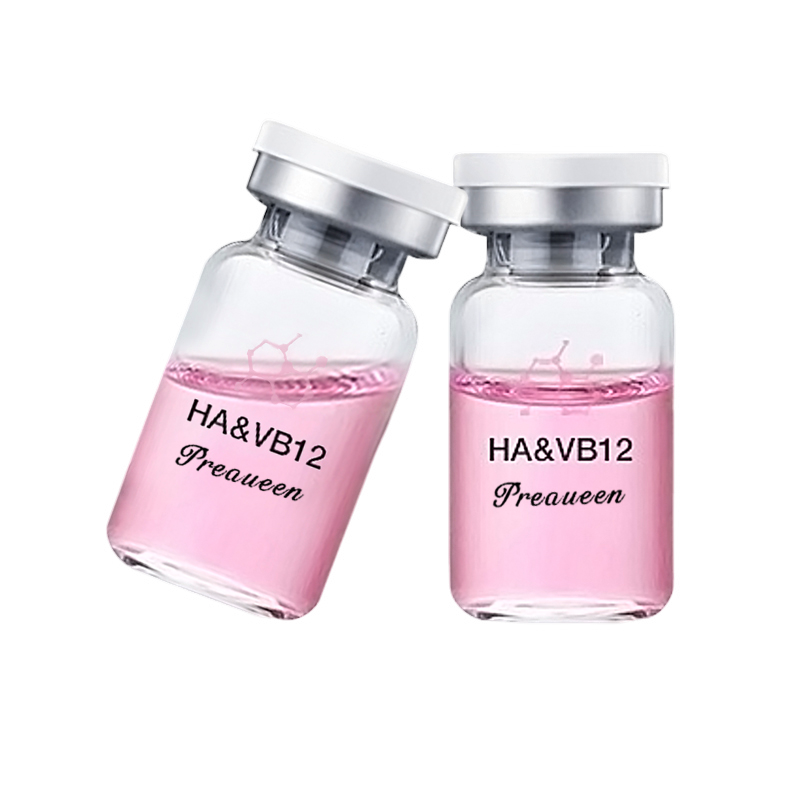
The Science Behind the Duration: Why HA Fillers Aren’t Permanent
To understand the timeline, we must first understand the product. Hyaluronic acid is a sugar molecule naturally found in our skin, joints, and connective tissues, renowned for its incredible capacity to bind and retain water. In dermal fillers, HA is synthesized in a laboratory and cross-linked into a gel. This cross-linking process is the key to durability—it makes the HA molecules more stable and resistant to immediate degradation by the body’s natural hyaluronidase enzymes.
However, the body eventually recognizes even cross-linked HA as a foreign substance and begins a gradual process of metabolizing it. White blood cells break down the gel, and the HA molecules are ultimately absorbed and excreted. This biodegradability is actually a safety feature of HA fillers, as it allows for correction if needed and ensures results are not permanent. The rate of this metabolic breakdown is the primary determinant of how long your filler will last.
A Month-by-Month Breakdown: The Filler Journey in Your Cheeks
Week 1-2: The Initial Settlement and Adjustment Period
Immediately after injection, you will see noticeable results, though the area may appear slightly overfilled due to swelling and the initial integration of the product with your tissue. Some tenderness, bruising, and swelling are normal. During these first two weeks, the filler is settling into place. It begins to bind with the surrounding tissue and attract water, which helps integrate it naturally. It’s crucial to follow aftercare instructions (avoiding strenuous exercise, excessive heat, and pressure on the area) during this phase to ensure optimal settling.
Month 1-3: Peak Results and Full Integration
By the end of the first month, any initial swelling has fully subsided, and you can appreciate the final, optimized result. The filler is now fully integrated with your dermal matrix, providing natural-looking volume and contour. This period represents the “peak” of your treatment results. The cheeks appear lifted, volumized, and rejuvenated. The product is stable and undergoing very slow, initial enzymatic breakdown.
Month 4-9: The Plateau of Sustained Effect
This is the period where high-quality, well-placed fillers truly demonstrate their value. While the body’s metabolism is actively breaking down the HA, the process is slow enough that you will likely see very little noticeable change. For most patients, the results remain strong and satisfying throughout this plateau phase. The cheeks retain their improved shape and volume. The exact length of this plateau is where factors like product choice and individual metabolism create variance.
Month 10-18: Gradual and Natural Diminishment
After approximately 9-12 months for standard HA fillers (and longer for more robust formulations), the metabolic process reaches a point where volume loss becomes more apparent. The breakdown is gradual and natural—you won’t wake up one day to find the filler “gone.” Instead, you’ll notice a slow, subtle return toward your pre-treatment facial volume and contour. This is the point where most patients begin considering a maintenance or touch-up treatment to restore the peak effect.
Key Data Table: Average Longevity of Popular HA Cheek Filler Brands
| Product Name (Brand) | Key Characteristics | Average Longevity in Cheeks | Best For |
| :— | :— | :— | :— |
| Juvéderm Voluma | High G-prime (firmness), high cross-linking | Up to 24 months | Adding significant volume and lift to the mid-face/cheeks. |
| Restylane Lyft | Cohesive, high G-prime gel | 12-18 months | Cheek augmentation and correction of age-related volume loss. |
| Belotero Balance | Softer, low G-prime, integrates smoothly | 6-12 months | Subtle, superficial contouring and fine integration. |
| Teosyal RHA 4 | Resilient Hyaluronic Acid, designed for dynamic areas | 12-15 months | Natural-looking volume that moves dynamically with facial expressions. |
Note: These are clinical estimates. Individual experiences will vary based on the factors discussed below.
Factors That Accelerate or Extend Your Filler’s Lifespan
The timeline above is a general guide, but your personal experience will be shaped by several key variables:
- Metabolism: Individuals with faster metabolisms (often linked to higher activity levels, younger age, or certain genetic factors) may break down filler slightly more quickly.
- Lifestyle Choices:
- Smoking: Significantly reduces longevity by degrading collagen and impairing skin health.
- Sun Exposure: Chronic UV exposure breaks down collagen and can accelerate the degradation of filler.
- Alcohol Consumption: Excessive consumption can cause dehydration and inflammation, potentially shortening filler life.
- Exercise: While healthy, extremely intense cardiovascular exercise that dramatically boosts metabolism may have a minor impact.
- The Injector’s Technique and Placement: An expert injector who places the product precisely in the deep dermal or supraperiosteal plane (on the bone) will achieve more natural and longer-lasting results than superficial placement. The correct technique ensures the filler is integrated into a stable tissue area with less movement.
- The Amount of Filler Used: A more comprehensive treatment that addresses structural volume loss will often maintain a pleasing aesthetic longer than a very small amount, even as the product itself breaks down.
- Product Choice: As the table indicates, different products are engineered for different purposes and durations. Thicker, more cross-linked gels like Juvéderm Voluma are designed specifically for deep cheek augmentation and last longer.
Optimizing Your Investment: How to Make Cheek Fillers Last Longer
You can actively participate in extending the life of your treatment:
- Choose an Expert Injector: This is the single most important factor. A board-certified dermatologist or plastic surgeon with extensive facial anatomy knowledge will use the right product and technique.
- Follow Aftercare Meticulously: Avoid manipulating the area, and follow all post-procedure instructions to ensure proper integration.
- Adopt a Skin-Health Lifestyle: Use broad-spectrum SPF 30+ daily, avoid smoking, moderate alcohol, stay hydrated, and maintain a skincare regimen with retinoids and antioxidants. Healthy skin provides a better foundation for filler.
- Consider a Follow-Up Schedule: Instead of waiting until all filler is gone, a small maintenance touch-up at 9-12 months can sustain the effect with less product over time, often proving more cost-effective.
Professional Q&A: Your Top Hyaluronic Acid Filler Questions Answered
Q: Is it true that getting fillers repeatedly “trains” your face to last longer?
A: This is a common misconception. Repeated treatments do not permanently stretch your skin or tissues. However, they can provide ongoing support that may slow the visible signs of aging in that area. Furthermore, some studies suggest that certain HA fillers may have a modest biostimulatory effect, encouraging slight collagen production in the surrounding tissue, which could provide a subtle residual benefit after the filler itself is gone.
Q: How does the longevity of hyaluronic acid fillers compare to other options like Sculptra or Radiesse?
A: HA fillers provide immediate volume that lasts 9-24 months, depending on the product. Sculptra (PLLA) is a collagen stimulator whose results appear gradually over months and can last over 2 years. Radiesse (CaHA) provides immediate volume and stimulates collagen, with results lasting 12-18 months or more. Each has distinct advantages, and the best choice depends on your anatomical needs and desired outcome, which should be discussed with your provider.
Q: Can I do anything to dissolve my cheek filler if I don’t like the results?
A: Yes, this is a major safety advantage of HA fillers. An enzyme called hyaluronidase can be injected to rapidly dissolve hyaluronic acid filler. It is typically used to correct over-treatment, asymmetry, or complications. It works within 24-48 hours.
Q: What is the latest innovation in filler longevity, according to 2024 data?
A: Research continues to focus on advanced cross-linking technologies and product cohesivity. The latest generation of fillers, like those in the RHA (Resilient Hyaluronic Acid) and VYCROSS technology families, are designed to be more flexible and resistant to degradation by facial movement, potentially offering more natural movement and extended duration in dynamic areas like the cheeks. Real-world data is supporting these engineered improvements in lifespan.
Disclaimer: This article is for informational purposes only and does not constitute medical advice. The longevity of dermal fillers is highly individual. Always consult with a qualified, board-certified healthcare professional to discuss your specific goals, concerns, and treatment plan.