
Introducción: The Rising Demand for Chin Augmentation & Why Hyaluronic Acid Reigns Supreme
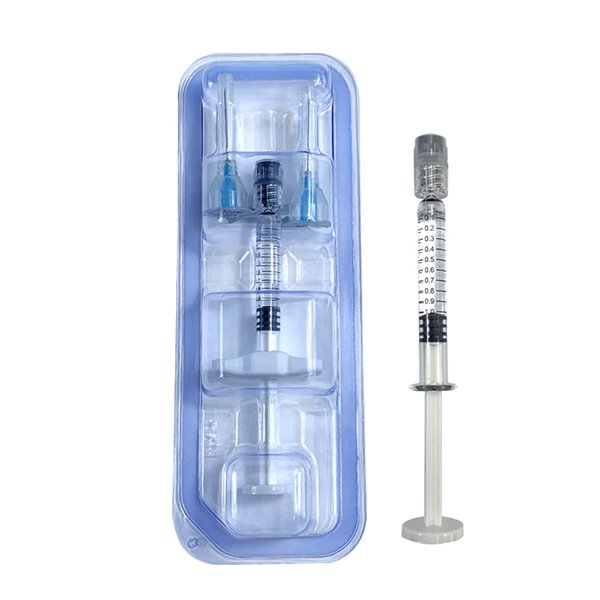
En el mundo en constante evolución de las mejoras estéticas, facial contouring has taken center stage. Among these procedures, chin augmentation has seen a remarkable surge in popularity, driven by the desire for balanced, defined profiles and the rise of the “selfie era.” While surgical implants offer a permanent solution, a minimally invasive alternative has captured the market: ácido hialurónico (JA) chin fillers.
ácido hialurónico, a substance naturally found in our skin and connective tissues, has become the gold standard in dermal fillers for a compelling reason: its unparalleled safety profile and reversible nature. El mercado mundial de rellenos dérmicos, valorado en más $6.5 mil millones en 2023, is predominantly led by HA-based products, with chin and jawline augmentation being one of the fastest-growing segments, experiencing an estimated 22% aumento año tras año in treatments.
Unlike surgical options, HA chin fillers offer a “procedimiento de la hora del almuerzo” with immediate, yet subtle, resultados. They address a range of concerns—from strengthening a weak or receding chin and improving profile balance to softening the appearance of a drooping chin (a menudo llamado “witch’s chin”) and smoothing pre-jowl sulcus lines. This guide will delve into everything you need to know about this transformative treatment, from the science behind it to recovery and long-term care.
The Science and Procedure: What to Expect During Your Chin Filler Journey
The Role of Hyaluronic Acid: HA is a humectant, meaning it has the incredible capacity to bind and retain water—up to 1,000 veces su peso. When injected into the chin, it adds volume, estructura, e hidratación. Modern HA fillers are cross-linked, forming a gel-like substance that provides structural support and integrates with the tissue for a natural look and feel. The body gradually and safely metabolizes the HA over time through a process called hydrolysis.
The Consultation Process: A successful outcome begins with an in-depth consultation with a qualified, dermatólogo o cirujano plástico certificado. This is not a one-size-fits-all procedure. The practitioner will assess your facial anatomy, estructura ósea, calidad de la piel, and overall goals. They will discuss:
- Your desired outcome (more projection, improved contour, etc.).
- The appropriate product type (some HA fillers are more robust for structure, while others are softer for blending).
- The estimated amount of product (typically measured in syringes, a menudo 1-2 for the chin).
- A thorough medical history to ensure you are a suitable candidate.
The Treatment Day: The procedure itself usually takes 30 a 60 minutos. After cleansing the area, a topical or local anesthetic is applied to maximize comfort. Usando una aguja fina o cánula (un tubo con punta roma que puede reducir los hematomas), the practitioner strategically deposits the HA gel in precise planes beneath the skin. You may be asked to sit upright during parts of the injection to assess contour and symmetry in real-time.
Immediate Aftercare and Initial Recovery: Post-tratamiento, you can expect some common but temporary side effects:
- Hinchazón y moretones: This is most prominent in the first 24-72 horas. Applying cold compresses gently can help.
- Redness and Tenderness: At the injection sites, these usually subside within a few hours to a couple of days.
- Bultos o asimetría: Initial swelling can create a temporary uneven appearance. It is crucial to wait 2-4 weeks for all swelling to resolve before assessing the final result.
Patients are advised to avoid strenuous exercise, calor excesivo (saunas, jacuzzis), alcohol, y medicamentos anticoagulantes para 24-48 hours to minimize swelling and bruising. Gentle massage, as directed by your provider, may sometimes be recommended to ensure smooth integration.
Resultados, Longevidad, and Weighing the Potential Risks
The Transformation: Once swelling subsides, results are visibly apparent. A successful HA chin filler treatment should not look like a distinct “implant” but rather a natural enhancement of your existing anatomy. It improves the harmony between the chin, nariz, labios, and neck, often making the nose appear more proportionate and the jawline more defined. El “before and after” impact on the profile is often the most dramatic.
How Long Do Chin Fillers Last? Longevity is a common question. While individual results vary based on metabolism, producto usado, and amount injected, HA chin fillers typically last between 12 a 18 meses. Factors that can accelerate breakdown include high metabolic rates (ejercicio intenso), de fumar, and significant sun exposure. Because HA is biodegradable, the effect gradually fades, allowing you to decide whether to repeat the treatment.
Understanding Risks and Complications: While considered very safe, no medical procedure is without risk. Elegir un experimentado, accredited injector is the single most important factor in minimizing these risks.
- Común & Temporario: moretones, hinchazón, enrojecimiento, ternura (as discussed).
- Menos común: Asimetría, encima- or under-correction, palpable lumps (often massageable).
- Raro pero serio:
- Compromiso vascular: Este es el riesgo más grave., ocurre si el relleno se inyecta accidentalmente en un vaso sanguíneo. Puede bloquear el flujo sanguíneo., potentially leading to tissue damage (necrosis) o, en casos extremadamente raros, blindness if it travels to the ocular artery. Cannula use and deep anatomical knowledge are critical safeguards.
- Infección: Sterile technique minimizes this risk.
- Nódulos de aparición tardía: Small inflammatory bumps that can appear months after treatment, often manageable.
The reversible nature of HA is a key safety net. If there is an issue with the result, the injector can administer an enzyme called hialuronidasa, which rapidly dissolves the HA filler, generalmente dentro 24-48 horas.
Comparing Popular HA Filler Brands for Chin Enhancement
No todos los rellenos de HA son iguales. Manufacturers engineer their gels with different properties—such as G-prime (rigidez), elasticidad, and viscosity—to suit specific facial areas. For the chin, which requires product with high lift capacity and structural integrity, more robust fillers are preferred. Here is a comparison of some leading brands used for chin augmentation:
| Nombre de la marca (Fabricante) | Características clave | Best For in Chin Area | Longevidad típica |
|---|---|---|---|
| Juvederm Voluma (Estética Allergan) | G-prime alto, gel espeso, designed for deep injection to lift and add volume. Often considered the first-line choice for chin augmentation. | Adding significant projection, strengthening a very weak chin, defining the jawline. | Arriba a 24 meses |
| Restylane Lyft (Galderma) | A cohesive, biphasic gel with strong lifting capacity. FDA-approved for chin retrusion. | Chin augmentation and correction of age-related volume loss in the midface/cheeks. | 12-18 meses |
| Radiesse (Nota: NOT HA) (Estética Merz) | A calcium hydroxylapatite (CAHA) bioestimulador. Creates immediate volume & stimulates natural collagen. | Patients seeking longer-lasting results (12-18+ meses) and collagen stimulation. No reversible como HA. | 12-18 meses+ |
| Belotero Equilibrio/Contorno (Estética Merz) | mas suave, more integrated HA gel (monofásico). Contour is firmer than Balance. | Refining chin shape, smoothing minor contour irregularities, blending the jawline. | 9-12 meses |
| Revanesse Versa+ (Prolenio) | A versatile, monophased HA filler with high cohesivity and lower swelling profile. | Chin projection and contouring, with potentially less post-treatment swelling. | 12-18 meses |
Nota: This table is for informational comparison. The ultimate choice of product must be made by your qualified medical professional based on your individual anatomy and goals.
Q profesional&A: Your Chin Filler Questions Answered
Q1: ¿Qué tan doloroso es el procedimiento?, and what is done to manage discomfort?
Most providers use a comprehensive approach to pain management. This almost always includes applying a strong topical numbing cream for 20-30 minutos antes. Además, most modern HA fillers are pre-mixed with lidocaine (un anestésico local), which further numbs the area during injection. Some practitioners may also offer dental blocks (numbing injections) for complete comfort. Most patients report feeling only mild pressure or a slight pinching sensation.
Q2: Are chin fillers a good alternative to genioplasty (surgical chin augmentation)?
They are an excellent alternative, but not a direct replacement. Chin fillers are ideal for someone seeking improvement without surgery, wanting to “test drive” a new chin shape, or needing minor to moderate augmentation. They offer less downtime and are reversible. Surgical genioplasty or an implant is better for cases requiring very significant advancement (over 5-6mm), correcting major skeletal discrepancies, or those desiring a permanent solution.
Q3: What are the latest trends or techniques in chin filler treatments as of 2024?
The trend is overwhelmingly towards aspecto natural, multi-dimensional contouring. Instead of just injecting into the chin point, expert injectors now often combine treatments:
- El “Chin-Jawline Complex”: Treating the chin in conjunction with the jawline and pre-jowl area for a seamless, heart-shaped or V-line contour.
- Terapias combinadas: Using neuromodulators (como bótox) in the mentalis muscle (chin muscle) to prevent “cobblestoning” or dimpling when the chin is activated.
- Técnicas avanzadas de cánula: Increased use of blunt-tipped cannulas for potentially safer, less traumatic injection with smoother product distribution along the chin and jawline.
Q4: How much do HA chin fillers typically cost, and is it worth the investment?
Los costos varían ampliamente según la región geográfica., experiencia del proveedor, y la cantidad de producto utilizado. De término medio, in the United States, you can expect to pay $800 a $2,500 por jeringa, with most chins requiring 1-2 jeringas. While not inexpensive, when performed by a skilled artist, the procedure can dramatically enhance facial balance and confidence. It’s crucial to prioritize the provider’s skill over price, as corrective work or treating complications can be far more costly.