
ácido hialurónico (JA) cheek fillers have become one of the most sought-after non-surgical cosmetic treatments globally. Their ability to restore volume, mejorar los contornos, and impart a rejuvenated appearance with minimal downtime continues to drive their popularity. Sin embargo, achieving a natural, hermoso, and safe outcome hinges on expert knowledge and technique. For this definitive guide, we consulted leading board-certified dermatologists and cosmetic surgeons to distill their clinical wisdom, practical tips, and the latest data into an essential resource for anyone considering this treatment.
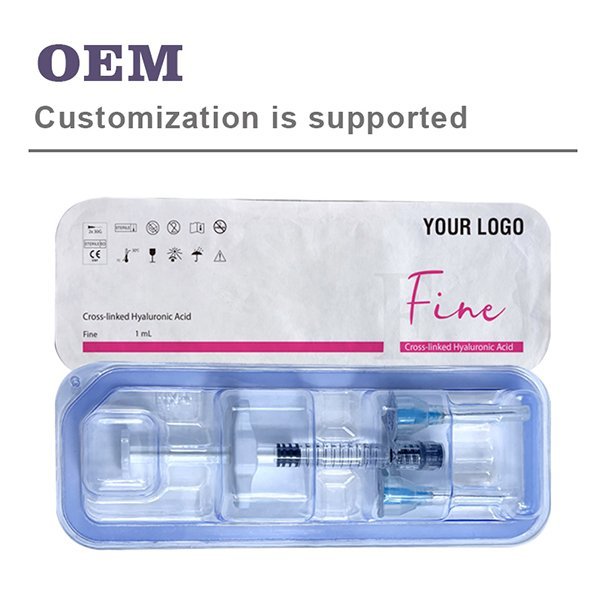
The Science of Hyaluronic Acid and Why It’s Ideal for Cheek Enhancement
El ácido hialurónico es un glicosaminoglicano., a sugar molecule naturally found throughout our skin, tejidos conectivos, y ojos. Its primary function is to retain water—a single gram can hold up to six liters—making it a superb humectant and volume provider. A medida que envejecemos, nuestra producción natural de HA disminuye, leading to loss of skin hydration, elasticidad, and subcutaneous volume. This is particularly noticeable in the midface, where descended fat pads and bone resorption can create hollowing under the eyes, aplanamiento de las mejillas, and deepening of the nasolabial folds.
Dermatologists emphasize that modern HA fillers are not simply “wrinkle fillers.” For the cheeks, they are sophisticated volumizing agents. “We are using HA to restore the structural support of the midface,” explains Dr. Anita Patel, a cosmetic dermatologist in New York. “By strategically placing a high-G’ (cohesividad) filler deep on the bone, we can lift and support overlying tissues, creating a more youthful facial framework that often improves the lower face as well.”
The safety profile of HA is a key advantage. Being biocompatible and biodegradable, adverse reactions are rare. Además, the effects of an undesirable outcome or complication can be reversed using an enzyme called hyaluronidase, which dissolves the filler. Este “red de seguridad” is something experts and patients alike value highly.
Latest Data Point: Según el 2023 report from the American Society of Plastic Surgeons, rellenos de tejido blando (of which HA is the vast majority) remain the second most popular non-surgical procedure, con más 2.6 million treatments performed annually. Cheek augmentation specifically has seen a consistent year-over-year increase of approximately 8%.
The Dermatologist’s Process: From Consultation to Perfect Results
A successful outcome begins long before the injection. The initial consultation is paramount. “This is a collaborative process,” states Dr. Marcus Lee of Beverly Hills. “We analyze the patient’s facial anatomy, calidad de la piel, estructura ósea, and symmetry. We discuss not just what they want to change, but what they want to preserve. El objetivo es mejorar, not alteration of one’s fundamental appearance.”
During this assessment, dermatologists employ several techniques:
- Dynamic Evaluation: Observing how the face moves during speech and expression.
- Palpation: Feeling the skin and underlying tissue to assess thickness and fat pads.
- Photographic Analysis: Using standardized photos to plan and track changes.
The actual treatment involves several critical steps:
- Topical Numbing: A topical anesthetic is applied to maximize comfort.
- Marking & Planificación: The injection sites and volumes are marked with the patient in a seated position.
- Técnica de inyección: Using a combination of cannulas (tubos con punta roma) and needles. Cannulas are favored by many for the cheeks due to a potentially lower risk of bruising and the ability to place product more smoothly along tissue planes.
- Moldura & Evaluación: The product is gently molded to ensure even distribution. The patient is often given a mirror to provide feedback during the process.
“menos es más, especially in the initial session,” advises Dr. Sarah Kim from Chicago. “We can always add a small touch-up later. Overfilling the cheeks creates an unnatural, ‘pillowy’ look that is difficult to reverse immediately.”
Elegir el relleno adecuado: A Guide to Product Selection
No todos los rellenos de HA son iguales. They differ in concentration, tamaño de partícula, tecnología de reticulación (which determines longevity), and G’ (gel hardness or cohesivity). Para aumento de mejillas, dermatologists typically select a product from the high G’/high lift categoría.
| Nombre del producto (Ejemplos comunes) | Características clave | Lo mejor para el área de las mejillas | Longevidad típica |
|---|---|---|---|
| Juvéderm Voluma / Restylane Lyft | Sol alto, thick gel, altamente reticulado. Designed for deep subcutaneous to supraperiosteal injection. | Primary cheek volume restoration, contouring the midface, and lifting the anterior cheek. | 18-24 meses |
| Belotero Libra / Restylane Refinar | Lower G’, more flexible and elastic gel. | Fine-tuning, blending the edges of deeper filler, or treating very superficial lines in conjunction with volumizing. | 6-12 meses |
| Juvéderm Vollure / Restylane Defyne | Moderate G’, balance of flexibility and lift. | Patients who need moderate volume and high durability with natural movement, or for areas connecting the cheek to the nasolabial fold. | 12-18 meses |
Real-Time Insight: The market is evolving with newer technologies. Vycross technology (used in Juvéderm Voluma) and XpresHAn Technology (used in Restylane Eyelight) are examples of proprietary cross-linking that aim to balance longevity with smooth integration. Your dermatologist will choose based on your specific tissue needs and desired outcome.
Recuperación, Resultados, and Long-Term Maintenance
Immediately after treatment, patients can expect mild swelling, enrojecimiento, and possible bruising at injection sites. These usually subside within 2-5 días. Dermatologists provide clear post-care instructions:
- Evitar ejercicio extenuante, calor excesivo (saunas, yoga caliente), y alcohol para 24-48 horas.
- Do sleep on your back, apply cool compresses to reduce swelling, and gently massage the area if instructed.
- Use arnica supplements or topical creams to minimize bruising.
Final results are visible once the swelling fully resolves, generalmente dentro 2 semanas. The result should feel natural and integrate seamlessly with your facial movements.
Longevity is highly individual, dependiendo del producto utilizado, the patient’s metabolism, estilo de vida, and the injection technique. De término medio, cheek filler lasts 12-24 meses. “I advise patients to think of filler as maintenance, no es una solución única,” says Dr. Patel. “We schedule follow-ups to assess longevity and plan for touch-ups, which typically require less product than the initial treatment.” Maintaining good skin health with a consistent regimen of sunscreen, retinoides, and antioxidants can also support and prolong the results.
Mitigating Risks and Managing Expectations
mientras es seguro, HA fillers are medical procedures with potential risks. Board-certified dermatologists are trained to minimize and manage these. Common temporary side effects include bruising, hinchazón, y asimetría. Las complicaciones más graves pero raras incluyen la oclusión vascular. (bloqueo de un vaso sanguíneo), infección, and nodule formation.
“This is why choosing an injector based on their anatomical training and experience, not just price or convenience, is non-negotiable,” warns Dr. Lee. “An expert understands the intricate facial vascular map and uses techniques to avoid it. They also know the signs of a complication and have hyaluronidase immediately available.”
Managing expectations is equally crucial. Fillers will not replicate the results of a surgical cheek implant or facelift. They are best for moderate volume loss. Patients with very thin skin or extreme sagging may be counseled that filler alone may not achieve their goal and may be better candidates for combination therapy with devices like radiofrequency microneedling or ultrasound lifting.
Q profesional&A: Your Top Questions, Answered by Experts
q: I’m in my late 20s. Is it too early for cheek filler?
A: “Not necessarily too early, but the goal changes,” says Dr. Kim. “In younger patients, we’re not replacing lost volume. We might use a small amount of filler to enhance a genetic flatness in the cheeks, mejorar la simetría, or create a subtle contour. The approach is conservative and anatomical, not anti-aging.”
q: Can cheek filler help with under-eye hollows?
A: “A menudo, Sí. What we perceive as under-eye hollowing is frequently due to midface volume loss and descent. By restoring cheek volume and support, we can indirectly improve the tear trough area, creating a smoother transition. Sin embargo, for hollows directly under the eye, a separate, more delicate filler technique or a different product might be needed.”
q: cual es el #1 mistake people make when getting cheek filler?
A: “Choosing a provider based on a low price,” states Dr. Patel unequivocally. “This is a procedure where technique, product knowledge, and artistic judgment are everything. The wrong product placed too superficially or in the wrong plane can lead to long-lasting problems that are costly and difficult to correct. Invest in expertise.”
q: How do I know if my injector is qualified?
A: Dr. Lee advises: “Ask three questions: 1) Are you a board-certified dermatologist or plastic surgeon? 2) How many cheek filler procedures do you perform monthly? 3) Can I see before-and-after photos of your actual patients? A qualified expert will be transparent and proud to answer these.”
q: Are there any new trends or techniques on the horizon for cheek augmentation?
A: “The trend is towards even more precision and personalization,” notes Dr. Kim. “We’re using advanced 3D imaging to simulate results and plan volumization. Además, the concept of ‘bio-stimulatory’ rellenos (como escultura) used in combination with HA is gaining traction for a more comprehensive, collagen-based volumizing approach that can complement the immediate results of HA.”