
The quest for smoother, more youthful skin is a timeless pursuit. While fine lines and wrinkles are a natural part of aging, many seek effective, minimally invasive solutions to soften their appearance. Among the most popular and trusted tools in aesthetic medicine are ácido hialurónico (JA) rellenos. This comprehensive guide explores how these innovative treatments combat wrinkles, offering a detailed look at their science, application, y lo que puedes esperar.
Understanding Wrinkles and the Role of Hyaluronic Acid
Wrinkles form due to a complex interplay of intrinsic and extrinsic factors. Intrinsically, our skin’s production of key structural proteins—collagen and elastin—slows down over time. Simultáneamente, the natural stores of hyaluronic acid, a molecule capable of holding up to 1,000 veces su peso en agua, diminish. This leads to decreased skin hydration, pérdida de volumen, and a breakdown of the supportive matrix beneath the skin’s surface. Extrinsically, repeated facial expressions, exposición al sol (photoaging), de fumar, and environmental pollutants accelerate this process.
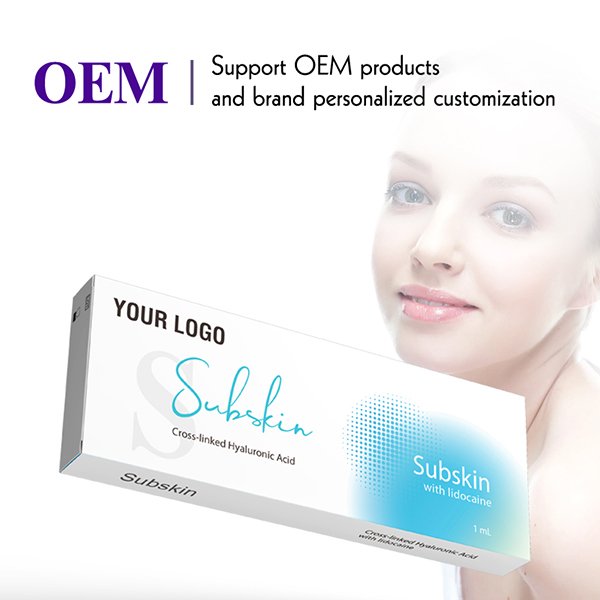
El ácido hialurónico es un glicosaminoglicano., a substance naturally found throughout our connective tissues, piel, y ojos. Su función principal es retener agua., ensuring tissue lubrication and hydration. En rellenos dérmicos, scientists have harnessed this property by creating a stabilized, cross-linked form of HA via a process called Hylacross™ or Vycross™ technology. This gel-like substance is biodegradable, biocompatible, and designed to integrate into the skin, providing immediate volume and stimulating the body’s own collagen production over time. A diferencia de los rellenos permanentes, HA fillers offer a reversible and adjustable solution, with effects that are significant yet temporary.
The Science and Types of Hyaluronic Acid Fillers
No todos los rellenos de HA son iguales. Their characteristics—such as G-prime (elasticity or stiffness), viscosidad, and particle size—determine their ideal use. más grueso, more cohesive gels are designed for deep structural support in areas like the cheeks and jawline, while softer, more fluid gels are perfect for fine lines and lip enhancement.
Leading brands have developed specific formulations for targeted concerns:
- For Fine Lines & Mejora de labios: Productos como Juvederm Volbella y Beso Restylane are finely textured, offering natural-looking lip volume and smoothing perioral lines.
- For Moderate to Severe Wrinkles (p.ej., Pliegues nasolabiales): Juvederm Ultra Plus y Restylane Refyne/Defyne are workhorses, balancing flexibility with support to smooth folds while allowing natural expression.
- For Volume Restoration and Contouring: Juvederm Voluma y Restylane Lyft are high G-prime fillers intended for the mid-face, mejillas, and chin to restore lifted, youthful contours.
A 2024 market analysis by Grand View Research valued the global dermal filler market at over $7.1 mil millones, with HA-based fillers commanding the largest share. This dominance is attributed to their excellent safety profile and versatility. Además, clinical data from the Revista de Cirugía Estética (2023) confirms that modern HA fillers not only provide immediate aesthetic improvement but also induce neocollagenesis, leading to sustained skin quality benefits even after the product has metabolized.
Comparison of Common HA Filler Applications
| Tipo de relleno (Example Brands) | Mejor para | Consistencia & G-prime | Duración típica |
|---|---|---|---|
| Suave, Bien (Juvederm Volbella, Beso Restylane) |
Mejora sutil de los labios, lineas periorales | G-prime bajo, liso | 9-12 meses |
| Versátil, Medio (Juvederm Ultra/Ultra Plus, Restylane Refinar) |
Pliegues nasolabiales, líneas de marionetas | Medium G-prime, flexible | 12-18 meses |
| Firme, High Support (Juvederm Voluma, Restylane Lyft) |
aumento de mejillas, mentón, línea de la mandíbula | G-prime alto, cohesivo | 18-24 meses |
El proceso de tratamiento: De la consulta a la recuperación
The journey to smoother skin begins with a thorough consultation with a qualified injector—a board-certified dermatologist or plastic surgeon. This is a collaborative process where you discuss your goals, historial medico, and the injector assesses your facial anatomy, calidad de la piel, y movimientos dinámicos. They will recommend a tailored treatment plan, including the type and amount of filler, and explain potential risks and costs.
El procedimiento en sí es relativamente rápido., a menudo denominado un “lunchtime treatment.” After cleansing the area and applying a topical numbing cream, the injector strategically places the HA gel using a fine needle or cannula. Cánulas, which are blunt-tipped tubes, are increasingly favored for certain areas as they may reduce bruising and improve safety. The process involves precise technique to ensure natural, balanced results.
Recovery is minimal. Los efectos secundarios inmediatos comunes incluyen enrojecimiento., hinchazón, ternura, and possible bruising at the injection sites. These typically resolve within a few days. Practitioners advise avoiding strenuous exercise, calor excesivo (saunas, sol), y alcohol para 24-48 hours post-treatment. Si bien los resultados son visibles inmediatamente, la final, settled outcome is usually apparent after about two weeks.
Potential Risks, Efectos secundarios, and the Importance of an Expert Injector
Si bien los rellenos de HA se consideran seguros, they are medical procedures with potential risks. Común, efectos secundarios temporales (hinchazón, moretones) are expected. More significant complications, aunque raro, can include:
- Compromiso vascular: The most serious risk is accidental injection into a blood vessel, que puede bloquear el flujo sanguíneo y potencialmente provocar daño tisular (necrosis) o, en casos extremadamente raros, discapacidad visual. This underscores the critical importance of choosing an injector with expert knowledge of facial vascular anatomy.
- Bultos o irregularidades: Can occur due to technique, product placement, or uneven swelling.
- Infección o reacción alérgica: Extremadamente raro con rellenos de HA, ya que HA es biocompatible.
- Efecto Tyndall: A bluish discoloration under the skin if a filler is placed too superficially.
The skill and aesthetic eye of your injector are the greatest determinants of both safety and satisfaction. A masterful injector views the face holistically, using filler not just to fill lines but to restore balance, apoyo, and natural-looking volume. Always verify your provider’s credentials and review their portfolio of before-and-after photos.
Rellenos de ácido hialurónico vs.. Other Anti-Wrinkle Strategies
HA fillers are one powerful tool in a broader anti-aging arsenal. Understanding how they compare to other treatments helps in crafting a comprehensive plan.
- vs. Neurotoxins (p.ej., bótox, deporte): Neurotoxins relax the underlying muscles that cause dinámica arrugas (como patas de gallo y líneas de expresión). HA fillers treat static arrugas—those visible at rest—and volume loss. They are often used synergistically for a full “lifting facial líquido” efecto.
- vs. Protección de la piel (Retinoides, Péptidos): Topical products work on a cellular level to improve skin texture and stimulate collagen over months. Fillers provide immediate structural correction and volume. The best results often come from combining professional treatments with a diligent at-home skincare regimen.
- vs. Rellenos estimulantes del colágeno (escultura): Products like Sculptra work indirectly by stimulating the body’s own collagen over several months, leading to more gradual, diffuse volume. HA fillers provide instant, precise volume and contouring.
- vs. Surgical Facelift: Surgery addresses significant skin laxity by removing and tightening tissue. Fillers are a non-surgical alternative for volume restoration and contouring, ideal for those with mild to moderate aging signs or who are not ready for surgery.
Q profesional&A: Respuestas a sus preguntas sobre rellenos de ácido hialurónico
Q1: How long do HA filler results actually last, y que factores influyen en esto?
A: Si bien la tabla proporciona pautas generales, duration is highly individual. De término medio, la mayoría de los rellenos de HA duran entre 6 a 18 meses. Factors that shorten longevity include high metabolic rate, frequent exercise, el área tratada (more mobile areas like lips metabolize filler faster), and the specific product’s formulation. Más nuevo, more cross-linked fillers like those in the Juvederm Vycross family tend to offer longer-lasting results, arriba a 24 months for volumizing products.
Q2: Are there any new advancements in HA filler technology I should be aware of in 2024?
A: Sí, innovation continues. Las tendencias clave incluyen:
- Reología a medida: Brands are creating even more specific products for micro-areas, like under-eye tear troughs or delicate horizontal neck lines.
- Anestésicos integrados: Most fillers now contain lidocaine for a more comfortable injection experience.
- Longevidad & Sostenibilidad: Research is focused on creating gels that not only last longer but also integrate more naturally with tissue for a softer feel. el concepto de “calidad de la piel” improvement beyond just filling is a major focus, with data showing improved hydration and elasticity post-treatment.
Q3: What should I do if I am unhappy with my filler results?
A: A significant advantage of HA fillers is their reversibilidad. If you experience overfilling, bultos, or are simply dissatisfied, your injector can administer an enzyme called hialuronidasa. This enzyme rapidly dissolves HA filler, generalmente dentro 24-48 horas, allowing for correction or a complete restart. This safety net makes HA a low-commitment option for first-time patients.
Q4: How can I ensure my filler looks natural and not “exagerado”?
A: El “menos es más” philosophy is paramount. A natural result comes from:
- Elegir un experto: An injector who prioritizes facial harmony over dramatic change.
- Staging Treatments: Starting conservatively and adding more later if desired.
- Strategic Placement: Enhancing the face’s natural structure—restoring lost volume in the cheeks to lift the mid-face, for example—rather than just filling individual lines. The goal should be for people to notice you look refreshed, no es que hayas “había hecho el trabajo.”
En conclusión, hyaluronic acid fillers represent a sophisticated, seguro, and effective solution for combating wrinkles and volume loss. Al comprender la ciencia, selecting a skilled injector, and having realistic expectations, you can achieve natural, rejuvenated results that help you put your best face forward.