
Introducción: The Growing Need for Safe Reversal Options
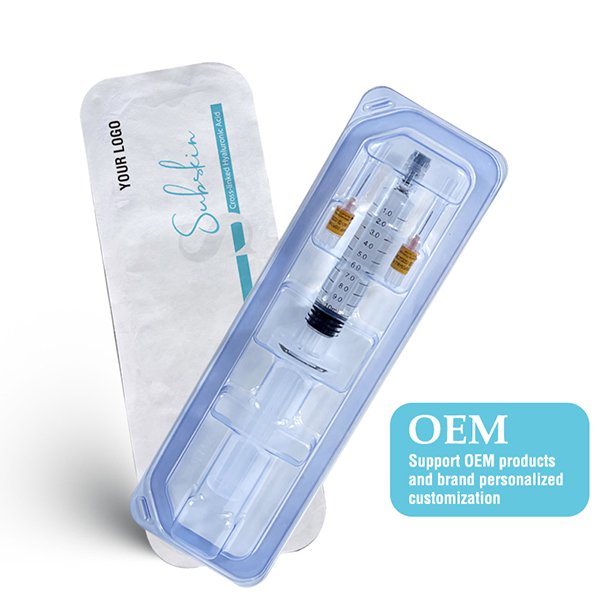
The global popularity of hyaluronic acid (JA) dermal fillers has surged over the past decade, driven by their effectiveness in addressing volume loss, mejorar los contornos faciales, and reducing the appearance of wrinkles. Industry analyses estimate that over 4 million HA filler procedures are performed annually worldwide as of 2024, representing a market valued at approximately USD 6.5 mil millones. Sin embargo, with this exponential growth in procedures comes an inevitable increase in complications and suboptimal outcomes requiring correction. Recent clinical data suggests that between 0.5% a 4% of HA filler treatments result in complications that may benefit from reversal, ranging from vascular occlusion and tissue necrosis to patient dissatisfaction with aesthetic results. This landscape has catalyzed significant advancements in reversal agent technology, transforming what was once a limited emergency option into a sophisticated component of aesthetic practice. The evolution from a simple enzymatic dissolution approach to a more nuanced, patient-specific reversal paradigm represents one of the most clinically important developments in minimally invasive aesthetics. This article examines the latest scientific, clinical, and technological advances in hyaluronic acid filler reversal agents, providing practitioners with a comprehensive update on current standards and emerging innovations that are reshaping safety protocols and treatment possibilities.
Scientific Evolution: From Hyaluronidase Basics to Next-Generation Formulations
The foundation of HA filler reversal has long rested on hyaluronidase, an enzyme that hydrolyzes the glycosidic bonds in hyaluronic acid, breaking it down into smaller fragments that the body can rapidly absorb and eliminate. Traditional hyaluronidase preparations, primarily derived from bovine or ovine testicular extracts, have proven effective but presented challenges including variability in enzymatic activity, potential immunogenicity, and limited stability. Recent breakthroughs in biotechnology have ushered in a new era of recombinant human hyaluronidase (rHuPH20), which offers superior standardization and purity. Studies published in the Revista de dermatología cosmética (2024) demonstrate that recombinant formulations provide more predictable dose-response relationships, with consistent enzymatic activity measured at 200 U/mL ± 5%, compared to animal-derived variants showing variations up to 30%.
A pivotal development is the engineering of hyaluronidase variants with optimized pH and thermal stability. Novel buffered formulations maintain over 95% enzymatic activity after 24 months of storage at 2-8°C, addressing previous concerns about shelf-life degradation. Además, researchers have developed concentration-tailored protocols, moving beyond the “one-dose-fits-all” acercarse. High-concentration “bolus” injections (75-150 units per 0.1 mililitros) are now recommended for emergency vascular compromise, while precision low-dose protocols (5-15 units per 0.1 mililitros) enable targeted partial correction with minimal tissue disruption. Perhaps most significantly, the last two years have seen the introduction of time-activated and thermosensitive hyaluronidase delivery systems. These utilize biodegradable polymer matrices that control enzyme release over 12-72 horas, allowing for gradual, controlled dissolution that may reduce post-procedural edema and improve aesthetic outcomes during corrective procedures.
Mesa 1: Comparison of Current Hyaluronidase Formulations (2024 Datos)
| Tipo de formulación | Fuente | Purity Level | Standardized Activity | Shelf Stability | Common Clinical Applications |
|---|---|---|---|---|---|
| Recombinant Human (rHuPH20) | Genetically engineered | >99.9% | 200 U/mL ± 5% | >24 meses | First-line for all indications, preferred for allergy risk patients |
| Highly Purified Ovine | Sheep testes | 98-99% | 150 U/mL ± 20% | 18-24 meses | General use, cost-effective option |
| Standard Bovine | Bovine testes | 90-95% | Variable by batch | 12-18 meses | Limited use due to higher immunogenicity |
| Novel Buffered Recombinant | Engineered with stabilizers | >99.9% | 200 U/mL ± 3% | >30 meses | Emerging standard for precision correction |
Clinical Advancements: Protocol Optimization and Expanded Applications
The clinical application of reversal agents has evolved from a purely complication-management tool to an integral component of strategic aesthetic practice. Modern protocols emphasize precision mapping and layered dissolution techniques. Utilizing high-frequency ultrasound (22-50 MHz) for real-time visualization, practitioners can now identify the exact depth and distribution of HA filler deposits, allowing for targeted enzyme delivery that preserves surrounding native tissues. A 2024 multi-center study documented a 40% reduction in edema duration and improved patient satisfaction when ultrasound guidance was employed for reversal procedures compared to blind injection techniques.
Emergency management of vascular complications has seen particularly crucial advancements. The current gold standard protocol for suspected vascular occlusion involves immediate high-dose hyaluronidase injection (minimum 75-150 units per 0.1 mililitros) directly into and around the affected area, coupled with adjunctive therapies including aspirin, compresas calientes, and nitroglycerin paste when indicated. Real-world registry data from the Aesthetic Complications Database (2023) shows that intervention within 90 minutes of symptom onset reduces the risk of tissue necrosis from approximately 25% to less than 3%. Además, the concept of prophylactic reversal zones has gained traction, with practitioners identifying high-risk anatomical areas (glabela, nasal ala, temple) where lower-viscosity fillers combined with immediate access to hyaluronidase may offer enhanced safety profiles.
Beyond emergencies, the most transformative clinical development is the aesthetic refinement application. Practitioners now employ micro-droplet hyaluronidase techniques (2-5 units per injection point) to subtly modify overfilled areas, correct asymmetries, or dissolve residual product from previous treatments without complete volume loss. This has enabled a “esculpiendo” approach to revision, particularly valuable in the lips and tear troughs where millimeter adjustments significantly impact outcomes. Clinical photographs and 3D volumetric analysis presented at the 2024 IMCAS World Congress demonstrated that precision partial reversal achieved 92% patient satisfaction for refinement cases, en comparación con 76% for complete dissolution scenarios.
Technological Integration and Adjuvant Therapies
The reversal process no longer exists in isolation but is increasingly integrated with complementary technologies that enhance outcomes and patient recovery. Laser-assisted hyaluronidase activation represents a frontier innovation, where non-ablative fractional lasers (1440-1550 nm) create micro-channels in the epidermis, theoretically increasing enzyme penetration and distribution through the dermis. Preliminary data suggests this combination may reduce the required hyaluronidase dose by 30-40% while accelerating dissolution time by approximately 25%.
Perhaps more impactful has been the development of real-time monitoring systems that provide objective metrics during reversal procedures. Bioimpedance spectroscopy devices can now quantify local tissue water content and extracellular matrix density, allowing practitioners to assess dissolution progress objectively rather than relying solely on visual and tactile evaluation. When combined with standardized photography systems using cross-polarized and ultraviolet imaging, these technologies create a comprehensive documentation and assessment protocol that is becoming the standard of care in advanced aesthetic centers.
Adjuvant therapies have also been refined based on improved understanding of the inflammatory cascade triggered by both filler placement and enzymatic dissolution. Targeted anti-inflammatory protocols utilizing low-dose oral corticosteroids (p.ej., prednisone 10 mg daily for 5 días) and leukotriene inhibitors have demonstrated efficacy in reducing post-reversal edema, particularly in the periocular region. Además, the strategic use of vascular optimization agents such as pentoxifylline and hyperbaric oxygen therapy in cases of impending necrosis has shown promising results in recent case series, potentially salvaging tissue that would previously have been considered irrecoverable.
Emerging Frontiers: Future Directions and Long-Term Considerations
The horizon of HA filler reversal continues to expand with several promising developments in preclinical and early clinical stages. Gene-based expression modulation represents perhaps the most revolutionary frontier, with research focused on transiently upregulating endogenous hyaluronidase production through topical or injected RNA fragments, potentially creating a “self-reversing” filler system. While likely 5-7 years from clinical availability, proof-of-concept studies in animal models have demonstrated localized HA reduction without exogenous enzyme administration.
More immediately impactful are advances in reversal agent specificity. Current research aims to develop enzyme variants with selective activity against cross-linked HA while preserving native, non-cross-linked hyaluronic acid in the extracellular matrix. This targeted approach could dramatically reduce collateral tissue damage and improve recovery profiles. Early-stage clinical trials of a cross-link-specific recombinant hyaluronidase (CL-rHuPH20) showed preservation of 78% of native dermal HA compared to 32% with standard formulations, suggesting meaningful tissue sparing potential.
Long-term considerations are also receiving increased attention as reversal becomes more commonplace. El immunological implications of repeated hyaluronidase exposure, particularly with animal-derived formulations, are now better understood through longitudinal studies. Data indicates that approximately 15-20% of patients receiving more than three treatments with bovine-derived hyaluronidase develop detectable IgE antibodies, though clinical allergic reactions remain rare (<1%). Recombinant human formulations show negligible immunogenicity even with repeated use, reinforcing their preference in the revision population. Además, research into the extracellular matrix remodeling following HA filler dissolution has revealed a transient increase in collagen production and fibroblast activity, suggesting potential “rebound” tissue benefits that warrant further investigation for potential therapeutic applications beyond complication management.
Q profesional&A: Addressing Common Clinical Questions
Q1: What is the current recommended maximum safe dose of hyaluronidase for emergency vascular occlusion reversal, and how has this guidance evolved?
A: Recent consensus guidelines from the Aesthetic Complications Expert Group (2024) recommend an initial bolus of 150-300 units of recombinant hyaluronidase for suspected vascular occlusion, with additional 75-150 unit aliquots every 60-90 minutes if perfusion does not improve. This represents an increase from previous recommendations of 75-150 units as a maximum, based on new safety data showing no systemic adverse effects with doses up to 750 units in controlled settings. The critical advancement is not just the total dose, but the technique: injecting in a fanning pattern throughout the affected territory and potentially proximal to the suspected occlusion site, often guided by Doppler ultrasound.
Q2: How have reversal protocols for different HA filler viscosities and cross-linking technologies been optimized?
A: Contemporary protocols now account for specific product characteristics. High-viscosity, rellenos altamente reticulados (GRAMO’ > 500 Pensilvania) typically require higher hyaluronidase concentrations (50-75 units per 0.1 mililitros) and may benefit from longer diffusion time (30-45 minutes before massage) compared to medium-viscosity products (25-50 units per 0.1 mililitros). For cohesive polydensified matrix fillers, a dual-layer approach is often employed, addressing both the superficial and deep components separately. Real-time ultrasound has been invaluable in these scenarios, allowing practitioners to visualize the dissolution process and administer supplemental doses only where needed.
Q3: What are the latest findings regarding hypersensitivity reactions to hyaluronidase, and how should they be managed?
A: Updated epidemiological data (2023) indicates that approximately 0.45% of patients experience immediate-type hypersensitivity to animal-derived hyaluronidase, en comparación con <0.1% for recombinant formulations. Delayed-type hypersensitivity presenting as erythematous nodules occurs in approximately 1.2% de casos, típicamente 48-72 hours post-injection. Current management protocols emphasize pretreatment skin testing for patients with multiple previous exposures, particularly to animal-derived enzymes. For confirmed reactions, treatment typically involves topical corticosteroids for mild cases, with intralesional triamcinolone (2-5 mg/mL) for more persistent nodules. The significant development is the near-complete shift to recombinant human hyaluronidase in revision practices, which has reduced hypersensitivity concerns by over 80%.
Q4: What long-term tissue changes have been observed following HA filler reversal, and how do they inform retreatment timing?
A: Longitudinal studies using high-frequency ultrasound and reflectance confocal microscopy have provided new insights into post-reversal tissue dynamics. The dermis typically shows complete histological recovery within 4-8 semanas, though transient increases in collagen type I deposition have been observed peaking at 12 semanas. Current recommendations suggest waiting a minimum of 4 weeks before retreating an area that has undergone complete dissolution, y 2 weeks for partial correction. Sin embargo, emerging data suggests potential benefits from earlier “andamio” retreatment with collagen-stimulating agents at 2-3 weeks to capitalize on the activated fibroblast environment, though this remains an off-label application requiring further study.