
In the ever-evolving world of aesthetic enhancements, hyaluronic acid (HA) lip fillers remain one of the most sought-after non-surgical procedures. A plump, defined lip can enhance facial harmony and boost confidence, driving millions to clinics each year. However, a quick search reveals a dizzying array of price points, ranging from a few hundred to several thousand dollars. This vast discrepancy isn’t arbitrary; it’s the direct result of a complex interplay of factors that determine the final cost. Understanding this “cost breakdown” is crucial for anyone considering the procedure, transforming it from a blind purchase into an informed investment in your appearance and well-being. This article will dissect the key elements that influence the price of hyaluronic acid lip fillers, empowering you with the knowledge to navigate your options.
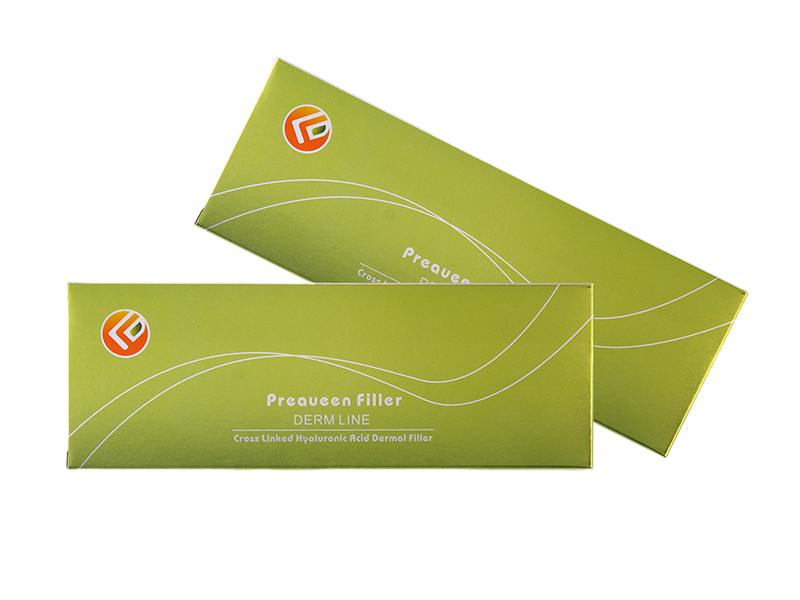
1. The Core Product: Hyaluronic Acid Brand, Type, and Volume
The syringe of filler itself is a primary cost driver. Not all hyaluronic acid is created equal.
Brand Reputation and Regulatory Status: Leading, FDA-approved brands like Juvéderm (by Allergan Aesthetics) and Restylane (by Galderma) command a premium. These companies invest heavily in research, development, and extensive clinical trials to ensure safety, efficacy, and product longevity. Their formulas are patented, often featuring cross-linked HA molecules designed for specific areas—some for subtle lip body, others for sharp border definition (like Juvéderm Ultra XC vs. Volbella). Using a reputable brand means paying for a proven track record and predictable results.
In contrast, lesser-known or unregulated products may be cheaper but carry significant risks of impurities, inconsistent results, or adverse reactions. In the U.S. and many Western markets, only FDA-cleared fillers should be used, and their cost is reflected in this assurance.
Product Characteristics: The viscosity, cohesivity (how the gel holds together), and concentration of HA affect both application and price. Thicker, more cohesive fillers designed for structure may cost more per syringe than softer ones for hydration. Furthermore, some advanced formulas now include integrated lidocaine for comfort, a feature that adds to the manufacturing cost.
Volume Used: This is the most straightforward factor. Prices are often quoted per syringe (typically 1ml). While one syringe may suffice for subtle enhancement, achieving dramatic volume often requires two or more, directly doubling the material cost. However, expert practitioners emphasize that more isn’t always better; artistry lies in using the optimal amount for a natural result.
Table: Approximate Cost Influence of Product Factors (U.S. Market, 2024)
| Factor | Lower Cost Influence | Higher Cost Influence | Price Impact |
| :— | :— | :— | :— |
| Brand | Lesser-known / Generic | FDA-approved Premium (Juvéderm, Restylane) | High |
| Product Type | Basic HA Filler | Specialized Lip Filler (e.g., for border, hydration) | Medium |
| Volume (Syringes) | 0.5 – 1 ml | 2+ ml | Directly Proportional |
2. The Practitioner’s Expertise: The Value of Skill and Experience
If the filler is the paint, the injector is the artist. This is arguably the most critical variable in both cost and outcome.
Credentials and Training: A board-certified dermatologist or plastic surgeon with extensive facial anatomy training will charge significantly more than a provider in a minimally-trained setting. Their deep understanding of vascular structures, tissue planes, and aesthetic proportions is your primary safety net against rare but serious complications like vascular occlusion. They are also equipped to handle any emergency.
Artistic Eye and Reputation: An injector renowned for delivering beautiful, natural-looking results builds a strong reputation. This demand allows them to command higher fees. Their fee encompasses not just the procedure time (15-30 minutes), but years of honed judgment to tailor the treatment to your unique facial structure.
The Clinic’s Overhead and Location: The “where” matters immensely. A high-end clinic in Manhattan, Beverly Hills, or London’s Harley Street has exorbitant rents, state-of-the-art medical equipment, and a skilled support staff. These overhead costs are factored into the price. Conversely, a medspa in a suburban strip mall may offer lower prices. The geographical location alone can cause price variations of 200-300% for the same product.
3. The Customization and Complexity of Your Treatment Plan
A one-size-fits-all approach doesn’t work for lips. The complexity of your desired outcome directly impacts the price.
Consultation and Customization: A thorough consultation is part of the service. Are you seeking simple volume addition, or a comprehensive lip rejuvenation addressing asymmetry, defining the Cupid’s bow, lifting corners, and smoothing vertical lip lines? The latter requires a strategic, multi-point injection technique using different product consistencies, demanding more time, skill, and sometimes product, thus increasing the cost.
Combination Treatments: Often, lip fillers are part of a broader treatment plan. Combining them with a “lip flip” (using Botox), laser treatments for perioral lines, or skin boosters for overall hydration is common. These packages will be more expensive but can offer a more harmonious and complete result.
4. The Hidden Costs: Safety, Follow-up, and Long-Term Value
The sticker price of the syringe is only part of the financial picture.
Safety and Ethics: A legitimate clinic’s price includes the cost of sterile, single-use cannulas or needles, medical-grade disinfectants, and emergency equipment (like hyaluronidase, the “antidote” to HA fillers). If a price seems too good to be true, it may indicate corners are being cut on these essential safety measures.
Follow-up Appointments: Reputable practitioners typically include a brief follow-up (around 2 weeks post-procedure) in the initial cost to assess results and perform minor touch-ups if needed. This is a mark of a quality service provider.
Longevity and Value Over Time: Premium products placed expertly by a skilled hand tend to last longer—often 9-12 months or more—compared to cheaper alternatives that may break down faster (6-8 months). When calculated as a cost-per-month of result, the higher initial investment can sometimes offer better long-term value.
Navigating the Market: Real-Time Pricing Insights
As of 2024, in major U.S. metropolitan areas, you can generally expect the following ranges for a single syringe of a premium HA lip filler:
- National Average Range: $600 – $1,200 per syringe.
- Major Cosmetic Hubs (NYC, LA, Miami): $800 – $2,000+ per syringe, with top-tier providers at the highest end.
- Midwest/Suburban Areas: $500 – $900 per syringe.
Remember, these figures are for the product and injection fee combined. Always ensure your quote is all-inclusive.
Conclusion: An Investment in Art and Safety
The price of hyaluronic acid lip fillers is a composite of tangible and intangible factors: the science of the product, the art and safety of the practitioner, the location, and the complexity of your goals. While cost is an important consideration, prioritizing the expertise of your provider and the quality of the product is non-negotiable for a safe, beautiful, and satisfying outcome. View this not as a simple purchase, but as an investment in a medical-artistic procedure. Conduct thorough research, choose a qualified injector based on merit, not price alone, and use this cost breakdown to ask informed questions during your consultation.
Professional Q&A
Q: I’ve seen “cheap” filler deals on social media. What are the potential risks?
A: Deeply discounted fillers are a major red flag. The risks are severe and can include: infection from non-sterile techniques; lumpiness or discoloration from inappropriate product placement; tissue necrosis (death) or blindness from intravascular injection by an untrained hand; and the use of counterfeit or non-medical grade substances. The cost to correct these complications far exceeds the savings from a cheap deal, not to mention the irreversible physical and emotional damage.
Q: How much should the consultation cost, and is it usually applied to the procedure?
A: A consultation with a qualified medical professional (MD, NP, PA) may range from $50 to $200. This fee is typically credited toward your procedure if you book it. A free consultation is common, but ensure it’s with the actual injector who will assess your anatomy and create the plan, not just a salesperson.
Q: Apart from the initial cost, are there any ongoing financial commitments after getting lip fillers?
A: Yes. HA fillers are not permanent. To maintain your results, you will need touch-up treatments typically every 9-18 months, depending on the product and your metabolism. You should factor in this recurring cost. Additionally, some patients opt for periodic “lip flips” with neuromodulators (like Botox) to enhance the results, which is an additional expense.
Q: With new filler brands entering the market, will prices become more competitive?
A: Increased competition can moderate prices over time. However, for established, safety-proven brands, significant price drops are unlikely. The cost is tied to R&D, manufacturing quality, and physician training programs. Newer brands might offer introductory pricing, but it’s essential to research their FDA-status and clinical data thoroughly before considering them as a cost-saving option. The practitioner’s fee, being the largest value component, is less likely to be dramatically affected by brand competition.