
As we age, one of the most significant yet under-discussed changes in our facial anatomy is the loss of volume in the midface, particularly in the cheek area. This deflation can lead to a drawn, tired appearance, flattening of the cheek contour, and the accentuation of nasolabial folds and under-eye hollows. For those seeking a non-surgical solution, hyaluronic acid (HA) dermal fillers have become the gold standard for cheek volume restoration. However, with an ever-growing array of products on the market—each with unique properties, indications, and longevity—choosing the right one is a critical decision that impacts safety, effectiveness, and satisfaction.
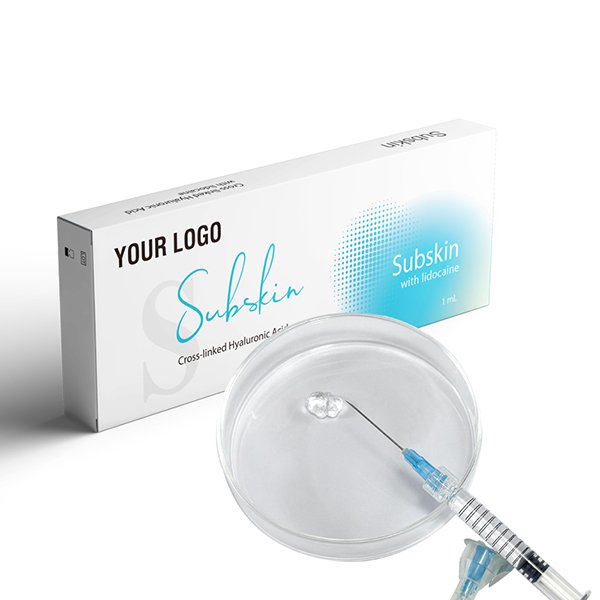
This comprehensive guide will navigate the science, artistry, and practical considerations behind selecting the best hyaluronic acid filler for your cheek enhancement goals. We will move beyond brand names to understand the core characteristics that matter most.
Understanding the Science: Why Hyaluronic Acid and What Makes Fillers Different?
Hyaluronic acid is a sugar molecule (glycosaminoglycan) naturally present in our skin, joints, and eyes. Its primary function is to bind and retain water—up to 1,000 times its weight—providing hydration, volume, and structural support. As we age, our natural HA production declines, contributing directly to volume loss and skin dehydration.
Not all HA fillers are created equal. They are engineered in laboratories to have specific properties suited for different areas of the face. The key differentiating factors are:
- G’ (Elastic Modulus) or Firmness: This measures the filler’s stiffness or resistance to deformation. For the cheeks, which require deep structural support to lift and project, a high G’ product is essential. A filler that is too soft will not provide adequate lift and may spread under the weight of the tissue.
- Cohesivity: This refers to how the filler’s particles stick together. A highly cohesive gel acts as a single, integrated unit, allowing for precise placement, predictable shaping, and a lower risk of migration. This is crucial for creating defined, long-lasting cheekbone projection.
- Cross-Linking & Particle Size: HA is a liquid in its natural state. To make it last in the skin, molecules are “cross-linked” into a gel. The density and type of cross-linking affect longevity and viscosity. Furthermore, fillers may be monophasic (a single, smooth gel) or biphasic (gel particles suspended in a fluid). Monophasic gels are often favored for deep structural work due to their uniformity and high cohesivity.
The Ideal Cheek Filler Profile: For optimal cheek volume restoration, the scientific sweet spot is a high G’, highly cohesive, monophasic hyaluronic acid gel. This combination provides the “scaffolding” needed to lift sagging tissues, restore youthful ogee curves, and deliver natural-looking, durable results.
The Contender Landscape: A Breakdown of Leading HA Fillers for Cheeks
While your provider’s expertise is paramount, understanding the leading products they might use empowers you to have an informed consultation. Below is a comparative analysis of some of the most commonly used fillers for midface volumization, based on their technical profiles and clinical applications.
Table: Comparison of Key Hyaluronic Acid Fillers for Cheek Volume
| Brand Name (Manufacturer) | Key Technology | G’ (Firmness) | Cohesivity | Best For in Cheeks | Typical Longevity |
| :— | :— | :— | :— | :— | :— |
| Juvéderm Voluma (Allergan Aesthetics) | VYCROSS® technology (a blend of high & low molecular weight HA) | Very High | High | Primary choice for adding significant volume, projection, and lift to cheeks & chin. The classic “cheek filler.” | Up to 24 months |
| Restylane Lyft (Galderma) | XpresHAn Technology™, Biphasic | High | High | Cheek augmentation and correction of age-related midface contour deficiency. Also FDA-approved for back of hands. | Up to 18 months |
| Belotero Balance / Contour (Merz Aesthetics) | CPM® (Cohesive Polydensified Matrix) Technology, Monophasic | Moderate to High (Contour is firmer) | High | A versatile range. Belotero Contour is excellent for defining the cheekbone and midface with a softer feel, integrating well with tissue. | 12-18 months |
| Teosyal RHA 4 (TEOXANE) | RHA® (Resilient Hyaluronic Acid) Technology, Monophasic | High | High | Designed to mimic native HA, offering dynamic flexibility. RHA 4 is indicated for deep folds and volumizing cheeks, balancing projection with natural movement. | Up to 18 months |
| Revanesse Contour (Prollenium) | V-CROSS™ Technology, Monophasic | High | Very High | Deep injection for facial contouring and volumizing areas like the cheeks and chin. Known for its high cohesivity and smooth consistency. | 12-18 months |
A Note on Real-Time Data: The filler market is dynamic. As of 2024, the global dermal filler market continues to grow, projected to exceed $9.5 billion by 2030, with HA fillers holding the dominant share (~70%). The trend is towards longer-lasting, more cohesive products with tailored rheology. Always ask your provider about the newest FDA-approved options that may have entered the market since this writing.
The Art of Injection: Technique, Safety, and the “Natural” Outcome
Choosing the product is only half the battle. The skill, aesthetic eye, and anatomical knowledge of the injector are what transform a syringe of gel into a beautiful, natural-looking result.
The Consultation is Key: A masterful injector will not just look at your cheeks; they will assess your entire facial balance, bone structure, fat distribution, and skin quality. They will discuss your goals—are you seeking a subtle refresh, a dramatic restoration, or something in between? They should use 3D imaging or, at minimum, a mirror to point out areas of volume loss and explain their planned approach.
Injection Technique Matters: For cheeks, the gold standard is a deep supraperiosteal injection—placing the product on top of the bone, deep under the fat pads. This technique:
- Maximizes structural support and lift.
- Minimizes risk of vascular complications.
- Creates the most natural projection, as it mimics the natural bone structure.
The “threading” and “fanning” techniques with a cannula (a blunt-tipped tube) or needle are used to deposit the product precisely. A cannula is often preferred for its enhanced safety profile in vascular areas.
Safety First: The cheeks, while generally safe, have critical blood vessels. A profound knowledge of facial anatomy is non-negotiable. Risks include bruising, swelling, asymmetry, and the very rare but serious risk of vascular occlusion (blocking a blood vessel). Choose a provider who is not only board-certified (in dermatology, plastic surgery, etc.) but also has extensive, specific experience in advanced filler techniques and is prepared to handle emergencies with hyaluronidase (an enzyme that dissolves HA).
Managing Expectations: Recovery, Longevity, and the “Filler Journey”
Immediate Aftermath: Swelling and bruising are common for 3-7 days. Initial over-correction is normal due to swelling; the final, settled result is typically visible after 2-4 weeks. Avoid strenuous exercise, alcohol, and blood thinners for 24-48 hours post-procedure.
The “Filler Journey” Philosophy: The most successful approach is often gradual and cumulative. Starting with a conservative amount (e.g., 1-2 syringes total) allows you and your provider to see how your tissues integrate the product. You can always add more in a follow-up session 4-6 weeks later. This “less is more” philosophy prevents the overfilled, “pillowy” look and allows for more refined, personalized results.
Longevity is Variable: While manufacturers provide estimates (see table), real-world longevity depends on your metabolism, activity level, the product used, and injection technique. On average, most patients seek touch-up treatments for the cheeks every 12-24 months. Remember, HA fillers are not permanent; they offer a reversible, adjustable path to rejuvenation.
Professional Q&A: Your Cheek Filler Questions, Answered
Q1: I’m in my late 20s and feel my cheeks have always been flat. Am I too young for filler?
A: Not necessarily. While age-related volume loss is a primary driver, fillers are also used for structural enhancement. For a younger patient with genetically flat midfaces, a small amount of a high G’ filler placed precisely along the cheekbone can create beautiful, natural-looking definition and contour without looking “done.” The approach and amount would simply be more conservative than for someone restoring lost volume in their 50s.
Q2: Can cheek fillers lift my sagging jowls and nasolabion folds?
A: Yes, indirectly—this is the concept of the “liquid facelift.” By strategically restoring volume to the high point of the cheek, you create a lifting effect on the overlying soft tissues. This can soften the appearance of nasolabial folds and improve the jawline contour. However, for significant jowling caused by skin laxity, fillers have limits, and energy-based devices (like Ultherapy) or surgical options may be discussed as complementary or alternative treatments.
Q3: What is the single most important factor in achieving a natural result?
A: Without a doubt, the expertise of your injector. A deep understanding of 3D facial anatomy, an artistic eye for proportion, and mastery of advanced injection techniques are far more critical than the brand name on the syringe. The best product in inexperienced hands can yield poor results, while a master injector can achieve beautiful outcomes with multiple appropriate products. Always prioritize the provider’s portfolio, credentials, and experience over the product brand.
Q4: How do I know if I’m a good candidate for cheek fillers?
A: Ideal candidates are those with noticeable midface volume loss, good skin elasticity, and realistic expectations. You may not be a good candidate if you are pregnant/breastfeeding, have a history of severe allergies or anaphylaxis, have active skin infections in the area, or have certain autoimmune conditions. A thorough medical history review during your consultation is essential for safety.
In conclusion, choosing the best hyaluronic acid filler for cheek volume restoration is a sophisticated decision that blends science, art, and individual anatomy. By focusing on the product’s rheology (high G’, high cohesivity), partnering with an exceptionally skilled and board-certified injector, and embracing a gradual treatment philosophy, you can achieve a restored, refreshed, and beautifully natural facial contour that gracefully turns back the clock.