
A well-defined chin is a cornerstone of facial harmony and balance. It frames the lower face, provides crucial support to the neckline, and completes the profile. For individuals with a recessed, weak, or asymmetrical chin, achieving this balance can be a persistent aesthetic concern. While surgical chin augmentation (genioplasty) has long been the traditional solution, the rise of non-surgical cosmetic procedures has introduced a highly effective, minimally invasive alternative: hyaluronic acid (HA) fillers. This comprehensive guide delves into the science, benefits, and real-world outcomes of using hyaluronic acid fillers for chin enhancement, offering a detailed look at why this treatment has become a premier choice for facial contouring.
Understanding the Science: Hyaluronic Acid and Facial Contouring
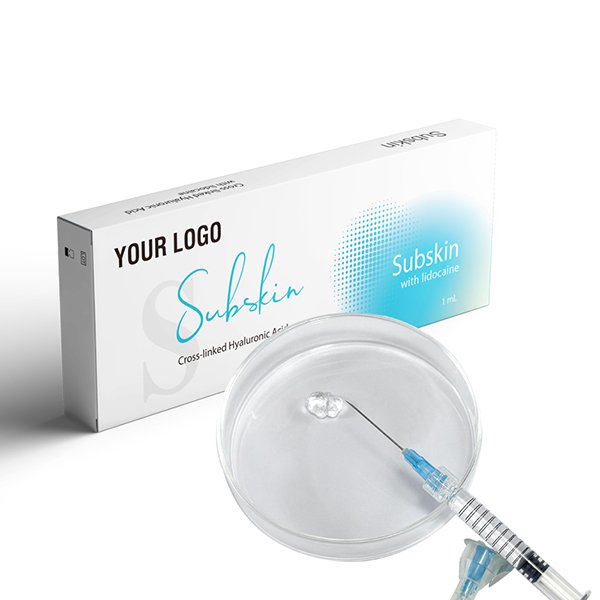
Hyaluronic acid is a naturally occurring glycosaminoglycan sugar found abundantly throughout the human body, particularly in the skin, connective tissues, and eyes. Its primary function is to retain water—up to 1,000 times its weight—providing hydration, volume, and structural support. In aesthetic medicine, cross-linked HA fillers are engineered into a gel-like substance that can be injected precisely into the dermis to add volume, contour structures, and smooth lines.
When applied to the chin, the gel acts as a structural scaffold. Skilled practitioners inject it along the chin’s bone and in the overlying soft tissue to:
- Project a recessed chin forward, improving the profile.
- Create a more defined chin point and jawline.
- Correct mild to moderate asymmetry.
- Improve the transition between the chin and neck, reducing the appearance of a “witch’s chin” or pre-jowl sulcus.
Unlike surgical implants, HA fillers integrate with the native tissue, offering a feel that is often described as natural. The latest generation of HA fillers designed for structural augmentation, such as Juvéderm Voluma®, Restylane Lyft, and Radiesse (a biostimulatory filler often grouped with HA for contouring), have a higher G-prime (firmness) and cohesivity. This allows them to provide strong, lasting projection and resist deformation from facial movements, making them uniquely suited for the chin area.
Key Advantages of Choosing Hyaluronic Acid Fillers for Chin Enhancement
The shift towards non-surgical chin augmentation is driven by a compelling array of benefits that HA filler treatments offer over traditional surgery.
1. Minimally Invasive with Immediate Results
The procedure is typically completed in a 30-60 minute office visit using only a topical numbing cream or local anesthetic. There is no general anesthesia, no scalpel, and no lengthy incisions. Patients walk in and walk out, witnessing a dramatic improvement in their chin contour and profile immediately after the injection. While initial swelling may obscure the final result for 24-48 hours, the transformative effect is visible from day one.
2. Unparalleled Safety and Reversibility
Safety is a paramount advantage. HA fillers have an excellent long-term safety profile and are FDA-approved for facial use. The most significant safety feature is reversibility. If a patient is unhappy with the outcome, the enzyme hyaluronidase can be injected to dissolve the HA filler entirely, returning the chin to its pretreatment state—an option simply not available with permanent implants.
3. Customization and Natural-Looking Outcomes
Every face is unique. HA fillers allow for a degree of customization that surgery often cannot match. A skilled injector can place tiny amounts of product with precision, sculpting the chin in three dimensions. They can address specific concerns—adding more volume to the center for projection, or to the sides to lengthen a short chin—all while maintaining a natural look that moves with the patient’s expressions.
4. Minimal Downtime and Rapid Recovery
Recovery from surgical chin augmentation can involve weeks of swelling, bruising, dietary restrictions, and activity limitations. With filler injections, downtime is minimal. Common side effects like redness, slight swelling, and tenderness at the injection sites usually resolve within a few days. Most patients return to their normal social and professional activities the following day.
5. A “Test Drive” for Permanent Surgery
For patients considering a permanent surgical implant, HA fillers serve as an invaluable preview. It allows individuals to “live with” a newly augmented chin for 12-24 months, helping them decide if they are comfortable with the new shape and projection before committing to an irreversible procedure.
6. Dual-Action Benefits: Contouring + Skin Quality
Beyond adding volume, HA’s hydrating properties stimulate collagen production and improve skin quality over time. This means the treatment not only reshapes the chin but can also enhance the texture and luminosity of the overlying skin, providing an ancillary aesthetic benefit.
Comparative Data: HA Fillers vs. Surgical Chin Augmentation
| Feature | Hyaluronic Acid Fillers | Surgical Chin Augmentation (Implant/Genioplasty) |
|---|---|---|
| Invasiveness | Minimally invasive, needle injections | Invasive surgery with incisions |
| Anesthesia | Topical or local anesthetic | Usually general anesthesia |
| Procedure Time | 30-60 minutes | 1-2+ hours |
| Downtime | 24-48 hours (minor swelling) | 1-2 weeks (significant swelling) |
| Results | Immediate, adjustable | Immediate but obscured by swelling |
| Permanence | Temporary (12-24 months) | Permanent |
| Reversibility | Yes, with hyaluronidase | Difficult and requires revision surgery |
| Cost (U.S. Avg.) | $800 – $2,500 per syringe | $3,000 – $8,000+ |
| Risk Profile | Lower (bruising, asymmetry, vascular issues rare) | Higher (infection, implant shifting, nerve damage) |
Data sourced from 2023-2024 American Society of Plastic Surgeons (ASPS) statistics and market analyses.
The Treatment Process: From Consultation to Aftercare
A successful outcome hinges on a meticulous process and expert execution.
1. The Consultation: This is the most critical step. A qualified provider (board-certified dermatologist or plastic surgeon) will assess your facial anatomy, bone structure, skin quality, and aesthetic goals. They will discuss realistic outcomes, the amount of product likely needed, and formulate a personalized treatment plan. Honest communication about your desires and medical history is essential.
2. The Procedure: On the day of treatment, the chin area is cleansed and numbed. Using a fine needle or cannula (a blunt-tipped tube that reduces bruising), the provider strategically injects the HA gel in small aliquots along the bone and soft tissue. The process involves frequent assessment and molding to ensure symmetry and a smooth, natural contour.
3. Aftercare and Longevity: Post-treatment, you may apply ice to reduce swelling. Providers typically advise avoiding strenuous exercise, excessive heat (saunas, sun), and alcohol for 24-48 hours. While results are immediate, the final settled look is apparent after about two weeks. The longevity of HA fillers in the chin is notably longer than in areas like the lips, often lasting 12 to 24 months due to the relatively low mobility of the region. Factors like the specific product used, the patient’s metabolism, and lifestyle affect duration.
Addressing Common Concerns and Future Trends
Some patients worry about filler looking “lumpy” or “fake.” This underscores the importance of choosing an experienced, artistic injector who understands deep facial anatomy. When performed correctly, the result should feel integrated and look natural. The trend in chin augmentation is moving towards a holistic approach—combining chin filler with small amounts in the jawline, pre-jowl sulcus, or even with neurotoxins (like Botox) in the mentalis muscle to smooth chin dimpling. This “liquid chin lift” creates a more comprehensive, balanced lower facial rejuvenation.
Technological advancements are also shaping the future. The development of longer-lasting, biostimulatory fillers like those containing calcium hydroxyapatite (Radiesse) or poly-L-lactic acid (Sculptra) offers alternatives that primarily stimulate the body’s own collagen, providing a more gradual and potentially longer-lasting correction. Furthermore, 3D imaging systems are now used in consultations to simulate potential outcomes, enhancing the collaborative planning process between patient and provider.
Professional Q&A: Your Chin Augmentation Questions Answered
Q1: How do I know if I’m a good candidate for chin filler versus needing surgery?
A: Ideal candidates for chin filler are those with mild to moderate chin retrusion or asymmetry, good skin elasticity, and a desire for a non-permanent, low-downtime solution. If you have a severely recessed chin (more than a 6-8mm deficiency), significant asymmetry from bone structure, or desire a permanent change, surgical consultation is recommended. A skilled provider can assess this during your consultation, often using cephalometric analysis (profile measurements) as a guide.
Q2: What are the most significant risks, and how can I ensure a safe treatment?
A: While serious complications are rare, risks include bruising, swelling, asymmetry, infection, and nodules. The most serious risk is vascular compromise (inadvertent injection into a blood vessel), which can lead to tissue injury. This is exceptionally rare in the hands of an expert who uses proper techniques (like cannulas) and has an intimate knowledge of facial anatomy. To ensure safety, choose a provider who is board-certified in dermatology or plastic surgery, extensively trained in fillers, and works in a medical setting with hyaluronidase readily available.
Q3: The cost seems variable. How many syringes will I typically need, and is it worth the investment?
A: Chin augmentation typically requires 1 to 2 syringes of a high-G-prime filler, depending on the degree of correction needed. As of 2024, the average cost per syringe in the U.S. ranges from $800 to $2,500. While the upfront cost is significant, consider it an investment in expertise, not just product. A masterful injection can dramatically improve facial balance and confidence. When compared to surgery, it is less expensive upfront and carries no long-term commitment, though it requires maintenance over the years.
Q4: Can chin filler really improve my appearance from the front, or is it just for the profile?
A: Absolutely. While profile enhancement is the most dramatic change, a well-augmented chin profoundly impacts the frontal view. It creates a more balanced, heart-shaped or oval facial outline, provides a stronger anchor for the lower face, and can make the nose appear more proportionate—a concept known as “the chin-nose balance.” It brings harmony to the entire facial structure.