
Hyaluronic acid (HA) under-eye fillers have become a premier solution for addressing dark circles, hollows, and fine lines, offering a refreshed, youthful appearance with minimal downtime. However, the success of this popular treatment hinges not just on the injector’s skill but significantly on the patient’s commitment to proper aftercare. A meticulous recovery protocol maximizes results, minimizes potential side effects, and ensures the filler integrates beautifully for natural-looking volume. This comprehensive guide provides essential, up-to-date aftercare tips to navigate your recovery journey confidently, ensuring your investment yields the best possible outcome.
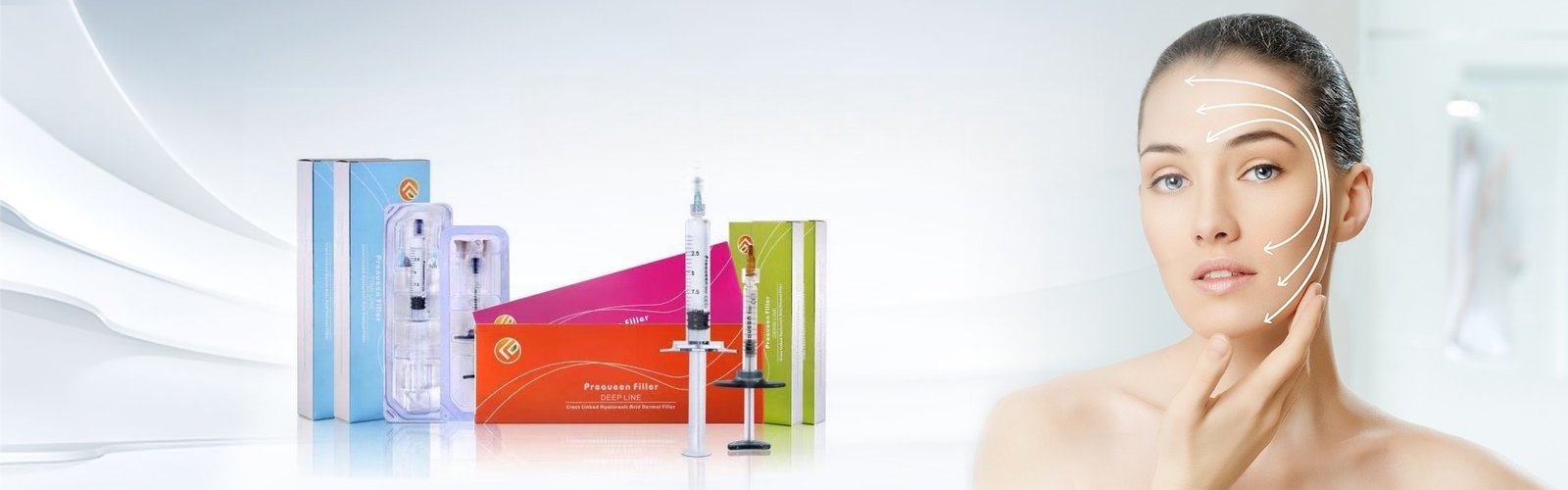
Pre-Treatment Preparation and Immediate Post-Procedure Care (The First 48 Hours)
The recovery process begins before you even leave the clinic. Optimal preparation and understanding what to expect immediately after the procedure set the stage for smooth healing.
Before Your Appointment:
- Consultation is Key: A thorough consultation with your qualified practitioner is non-negotiable. Discuss your medical history, including any allergies, bleeding disorders, or use of blood thinners (like aspirin, ibuprofen, or certain supplements like fish oil, ginkgo, and vitamin E). Your provider may advise pausing these 1-2 weeks prior to treatment to reduce bruising risk.
- Arnica Montana: Consider starting oral Arnica Montana supplements or topical gel a few days before your appointment. A 2023 meta-analysis in the Journal of Clinical and Aesthetic Dermatology suggested that prophylactic arnica may reduce the severity and duration of bruising following injectable procedures.
- Hydrate and Avoid: Ensure you are well-hydrated. Strictly avoid alcohol for at least 24-48 hours before treatment, as it can increase bleeding and bruising.
The First Critical Hours:
Immediately after injection, it’s normal to experience mild swelling, redness, tenderness, and possibly small bumps at the injection sites. These are temporary.
- Apply Cold, Not Pressure: Gently apply a cold compress or chilled gel packs (wrapped in a clean cloth) to the treated area for 10-15 minute intervals. This constricts blood vessels, reducing swelling and the risk of bruising. Do not apply firm pressure.
- Keep Upright: Avoid lying down flat or bending over for at least 4-6 hours. Remain in an upright position to prevent unnecessary pressure on the delicate under-eye area and to limit swelling migration.
- Minimize Movement: Avoid strenuous facial movements, excessive smiling, or squinting. Do not rub, massage, or manipulate the area unless specifically instructed by your injector for a particular reason.
- Cleanse Gently: If you need to cleanse your face, use a very gentle, non-abrasive cleanser and pat the area dry—do not rub.
The First Week: Active Healing and Monitoring
Days 1-7 are the active healing phase where initial swelling subsides, and filler begins to settle. Your diligence during this week is paramount.
- Continued Cooling: Use cold compresses as needed for swelling and discomfort for the first 2-3 days.
- Sleep Position is Crucial: Sleep on your back with your head elevated using an extra pillow. This prevents fluid accumulation (edema) in the under-eye area overnight, which can exacerbate swelling and asymmetry.
- Skincare Caution: Avoid active skincare ingredients like retinoids (retinol, tretinoin), alpha-hydroxy acids (AHAs), beta-hydroxy acids (BHAs), and vitamin C serums in the immediate area for at least 5-7 days, as they can cause irritation. Stick to a gentle, hydrating cleanser and moisturizer. Sunscreen is a must—use a high-SPF, mineral-based formula and avoid direct sun exposure.
- Activity Restrictions:
- Exercise: Avoid vigorous exercise, heavy lifting, hot yoga, and any activity that raises your blood pressure significantly for at least 48-72 hours. Increased blood flow can worsen swelling and bruising. Light walking is acceptable.
- Heat Exposure: Steer clear of saunas, steam rooms, hot showers, and hot tubs for one week. Heat vasodilates blood vessels, promoting swelling.
- Makeup: It’s generally recommended to avoid applying makeup directly on the treated area for at least 24 hours to prevent infection. When you do resume, apply it gently.
Managing Common Side Effects and Recognizing Complications
While most side effects are mild and temporary, knowing how to manage them and when to seek help is critical.
Common, Expected Side Effects & Management:
| Side Effect | Typical Duration | At-Home Management | When to Contact Your Provider |
|---|---|---|---|
| Swelling | 2-7 days (peak at 24-48h) | Cold compresses, head elevation, arnica. | If sudden, severe, asymmetric, or worsening after 3 days. |
| Bruising | 5-14 days | Cold compresses first 48h, then warm compresses. Arnica supplements/topical gel. | If extensive, painful, or persists beyond 2 weeks. |
| Redness/Tenderness | 1-3 days | Gentle care, avoid touching. | If accompanied by increasing pain, heat, or pus. |
| Lumps/Bumps | Can be initial and settle in 1-2 weeks. | Usually settle as swelling resolves. Gentle massage only if advised. | If firm, visible, painful, or persistent beyond 14 days. |
| Itching | 1-3 days | A cool compress can help. Do not scratch. | If severe or spreading. |
Recognizing Rare Complications:
Contact your provider immediately if you notice:
- Signs of Infection: Increased pain, warmth, redness, swelling, or yellow pus.
- Vascular Compromise (Very Rare): A sudden, mottled appearance (blanching or dusky discoloration) of the skin, severe pain, or visual changes. This is a medical emergency requiring prompt treatment, often with hyaluronidase.
- Tyndall Effect: A bluish or grayish tint under the skin, which occurs when filler is placed too superficially. This requires assessment and potentially dissolution.
- Persistent Asymmetry or Overcorrection: After 2-3 weeks, if results are not as desired.
Long-Term Aftercare and Maximizing Filler Longevity
Once initial healing is complete (around week 2), your focus shifts to maintaining results and supporting skin health.
- Sun Protection is Non-Negotiable: UV radiation breaks down hyaluronic acid and collagen. Daily use of a broad-spectrum SPF 30+ (mineral-based is often less irritating) is the single most important factor for prolonging your results and protecting the delicate eye area.
- Resume Active Skincare Gradually: You can slowly reintroduce retinoids, peptides, and antioxidants after 1-2 weeks, monitoring for any sensitivity. Hyaluronic acid serums can provide complementary hydration.
- Healthy Lifestyle: Stay well-hydrated by drinking plenty of water—HA binds water, so internal hydration supports the filler’s effect. A balanced diet rich in antioxidants supports skin health. Limit smoking and excessive alcohol, as both can accelerate filler breakdown and skin aging.
- Schedule Your Follow-Up: Attend any scheduled follow-up appointment (usually at 2-4 weeks). This allows your provider to assess the settled results, address any minor asymmetries, and plan for future touch-ups.
- Understanding Longevity: Under-eye fillers typically last 9-18 months, depending on the product used, your metabolism, lifestyle, and the technique. Newer, more cohesive HA gels designed for the tear trough often show greater longevity, with some data from a 2024 Aesthetic Surgery Journal review indicating sustained improvement at the 12-month mark for specific products when placed in the deep medial cheek and pre-periosteal plane.
Professional Q&A: Addressing Your Under Eye Filler Concerns
Q1: How soon after my under-eye filler can I expect to see the final results?
A: While you may see an immediate improvement, the final, settled results are typically visible after 10 to 14 days. This allows for all post-treatment swelling and any minor bruising to fully resolve. Be patient during the first week, as the initial appearance is not indicative of the end result.
Q2: Is it safe to have an MRI or other medical scans after HA filler?
A: Yes, hyaluronic acid fillers are generally safe with MRI. However, it is crucial to inform your radiologist that you have had dermal fillers. A 2023 safety communication from leading radiology associations notes that while HA fillers are not a contraindication, they may cause localized artifacts on the scan image, and the radiologist should be aware for accurate interpretation.
Q3: What should I do if I’m unhappy with my results or experience a complication?
A: The primary advantage of HA fillers is their reversibility. If you have a complication like a lump, the Tyndall effect, or are simply unhappy with the volume, your provider can inject an enzyme called hyaluronidase. This safely dissolves the HA filler, usually within 24-48 hours. Always contact your injector first—do not seek dissolution elsewhere without consultation.
Q4: Can I combine under-eye fillers with other treatments?
A: Yes, combination treatments are common for a holistic rejuvenation. However, timing is key. It’s often recommended to space treatments apart. For example:
- Botox/Brow Lift: Can often be done at the same session to address crow’s feet and lift the tail of the brow, complementing the under-eye result.
- Skin Resurfacing (Laser, Microneedling, Chemical Peels): Should typically be performed 2-4 weeks before or after filler to avoid compounded inflammation or risk of infection.
- Skin Boosters or PRF: These can sometimes be layered for enhanced skin quality but discuss the ideal protocol with your provider.
By adhering to these detailed aftercare guidelines and maintaining open communication with your skilled practitioner, you can ensure a comfortable recovery and enjoy the full, natural-looking benefits of your hyaluronic acid under-eye filler treatment for many months to come.