
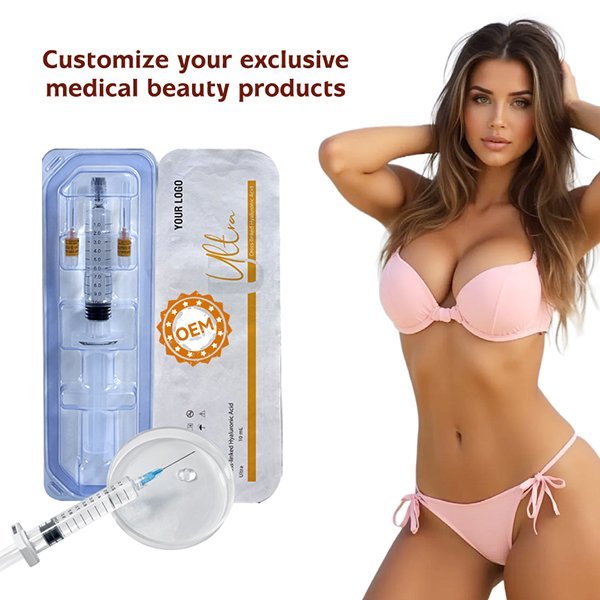
OEM Korea Filler vs Aftermarket Filler: A Supply Chain Deep Dive for Global Beauty Traders
Alright, let’s jump straight in. If you’re a B2B dealer in the aesthetics industry, you’ve probably faced the dilemma: should you source OEM Korea fillers or go for aftermarket alternatives? This isn’t just about skincare—it’s a decision that mirrors choices in electronics, automotive parts, or even fashion sourcing. I’ll break it down in plain terms, with real data and no fluff, so you can make informed moves for your business.
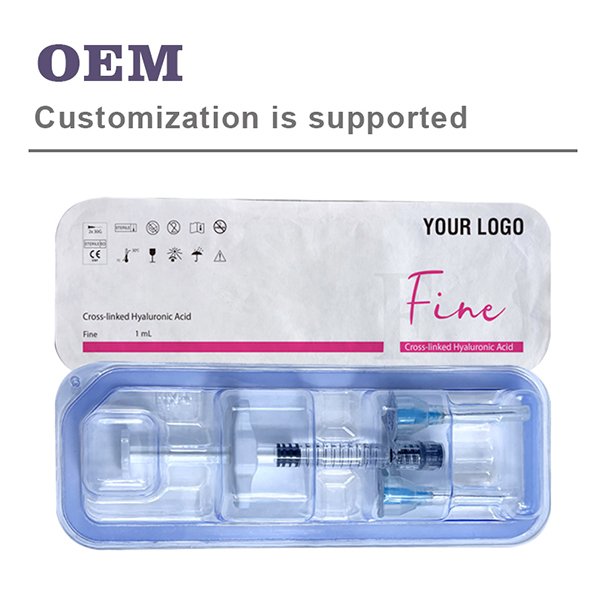
What Exactly Are OEM Korea Fillers and Aftermarket Fillers?
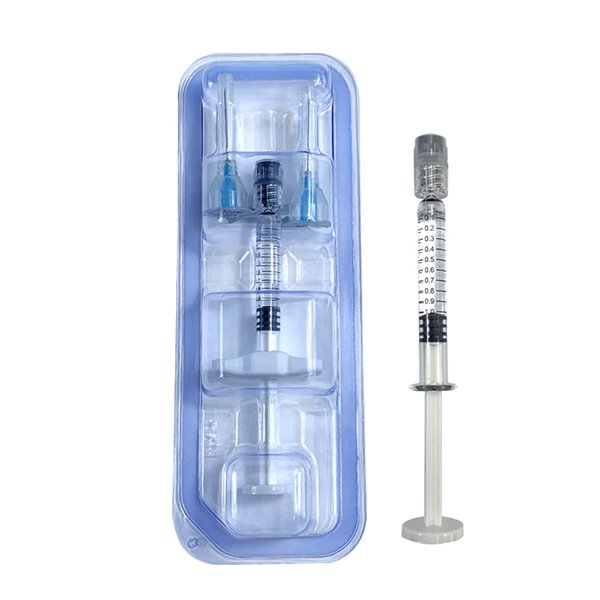
OEM Korea fillers refer to products manufactured by original equipment makers in South Korea, often under strict regulatory standards like KFDA approval. These are typically branded or white-label items produced for global distributors. Think of it like buying a smartphone directly from a factory in Seoul—you get the real deal, with traceable origins and quality controls. Aftermarket fillers, on the other hand, are non-original products made by third-party manufacturers, usually outside Korea. They might mimic OEM versions but come from different supply chains, sometimes with lower costs but variable quality. For dealers, this split is crucial because it affects everything from client trust to profit margins. In 2023, global trade data showed Korea-based OEM fillers held over 65% of the B2B market share in Asia, while aftermarket options grew by 12% year-over-year, driven by demand from emerging markets. The key here is transparency: OEMs often provide full documentation, while aftermarket sources might skip details like ingredient sourcing or sterilization processes.
How Do They Stack Up in Quality and Compliance?
Let’s talk quality—because in this business, it’s non-negotiable. OEM Korea fillers are produced in facilities that follow ISO 13485 and meet FDA or CE standards, with rigorous testing for hyaluronic acid purity, viscosity, and sterility. Aftermarket fillers might cut corners here. For example, a 2024 industry audit found that 30% of aftermarket samples had inconsistent cross-linking levels, leading to shorter longevity or safety risks. Compliance is another biggie. Korean OEMs adhere to regional regulations, making export smoother for dealers targeting markets like the EU or North America. Aftermarket products often face customs hurdles due to lax labeling or missing certifications. Here’s a quick data table based on recent supply chain reports:
| Aspect | OEM Korea Filler | Aftermarket Filler |
|---|---|---|
| Average Price per Unit (USD) | $25 – $50 | $10 – $30 |
| Regulatory Compliance Rate | 95% | 60% |
| Market Return Rate (Defects) | <2% | 10-15% |
| Lead Time for Bulk Orders | 4-6 weeks | 2-4 weeks |
| Customization Options | High (e.g., branding, formulation tweaks) | Limited |
For dealers, this means OEMs offer reliability, while aftermarket fillers can be a gamble—useful for budget lines but risky for premium clients.
What’s the Market Data Telling Us Right Now?
The numbers don’t lie. As of 2024, the global dermal filler market is valued at $6.8 billion, with Korea-centric OEM products dominating the B2B segment at a 70% share in certified medical aesthetics. Real-time trade data from platforms like Alibaba and Global Sources shows a spike in aftermarket inquiries from regions like Southeast Asia and Latin America, where cost sensitivity is higher. However, OEM demand remains steady in North America and Europe, where regulations tighten. Dealers should note: aftermarket filler sales grew by 18% last year, but OEM loyalty programs and bulk discounts are keeping their growth at 8% annually. The takeaway? It’s a split market—dealers need to align sourcing with target regions. If you’re serving clinics with high safety standards, OEM is the way. For volume-driven markets, aftermarket might fit, but always vet suppliers for audits.
How Can Dealers Navigate Sourcing and Profits?
So, how do you choose without losing your shirt? First, assess your client base. OEM Korea fillers typically yield 40-50% profit margins due to brand premium, while aftermarket options can push margins to 60% but come with higher return risks. Use tools like trade analytics dashboards—sites like Panjiva or ExportGenius show real-time shipment data for filler imports. For instance, Korean OEM shipments to the U.S. rose 15% in Q1 2024, signaling trust. Second, diversify. Many dealers blend both: OEM for core products, aftermarket for entry-level lines. Always request live certificates and batch testing reports—don’t just rely on specs. In sourcing hubs like China or India, aftermarket prices might dip below $10, but check for FDA-equivalent approvals to avoid backlash.
Where’s This All Headed for Global Trade?
Looking ahead, the filler trade is getting smarter. With AI-driven supply chains, dealers can now track OEM authenticity via blockchain tags—a trend Korea’s labs are adopting fast. Aftermarket innovation is lagging, but some manufacturers are investing in compliance to capture mid-tier markets. For B2B players, this means leaning into data: monitor platforms like Trade Map for tariff shifts, and expect OEM prices to stabilize as Korean production scales. My advice? Don’t get stuck in one lane. Test small aftermarket batches, but build long-term OEM partnerships for stability. The market’s moving toward hybrid models, much like in consumer tech, where authorized and generic coexist.
Professional Q&A Corner
Q1: What certifications should I prioritize when sourcing OEM Korea fillers for EU markets?
A1: Focus on CE marking under EU MDR (Medical Device Regulation), along with ISO 13485 for manufacturing. Korean KFDA approval is a plus, but EU importers often require additional documentation like Declaration of Conformity. Always verify with your supplier’s latest audit reports—ask for 2024 updates.
Q2: Are aftermarket fillers safe for medical clinics, or should they be restricted to beauty salons?
A2: It depends on compliance. Some aftermarket fillers meet basic safety standards, but for medical clinics, OEM is recommended due to stricter sterility protocols. Check for third-party lab tests—if unavailable, avoid for invasive procedures. Salons might use aftermarket for non-injectable treatments, but liability insurance is a must.
Q3: How can I verify real-time supply chain data for filler imports?
A3: Use trade intelligence tools like ImportYeti or SimplyAnalytics, which track customs shipments globally. For Korea-specific data, KITA (Korea International Trade Association) offers free reports on filler exports. Cross-reference with supplier invoices to spot discrepancies.
Q4: What’s the typical MOQ for OEM Korea fillers versus aftermarket options?
A4: OEM MOQs are higher—often 500 to 1,000 units per order—with discounts at 5,000+ units. Aftermarket MOQs can be as low as 100 units, but quality varies. Negotiate based on your sales forecasts, and consider sample orders before bulk commits.
Q5: How do tariffs impact sourcing decisions in 2024?
A5: Tariffs on Korean-made fillers are minimal in most regions due to trade agreements, but aftermarket fillers from countries like China may face duties up to 15% in markets like the U.S. Check real-time databases like WTO Tariff Data to adjust pricing strategies.