
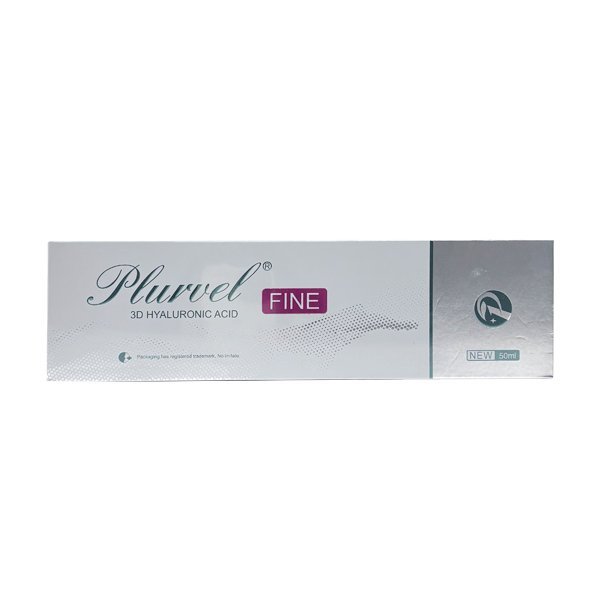
When you’re sourcing dermal fillers, Turkey isn’t just another option; it’s a strategic powerhouse. Positioned as a critical bridge between Europe and Asia, the country has leveraged its unique geography to build a formidable medtech manufacturing sector. In 2023, Turkey’s medical device exports surged past $3.5 billion, with aesthetic products, particularly hyaluronic acid fillers, being a standout growth segment. For global distributors and B2B buyers, this translates into access to factories that combine EU-standard compliance protocols with competitive cost structures. You’re not just buying a product; you’re tapping into a supply network designed for agile, large-volume exports. The real question isn’t if you should consider Turkey, but which manufacturers align with your market’s price sensitivity, regulatory requirements, and brand positioning. Let’s cut through the noise and look at the operational realities.
Key Players and Production Landscapes in Turkish Filler Manufacturing
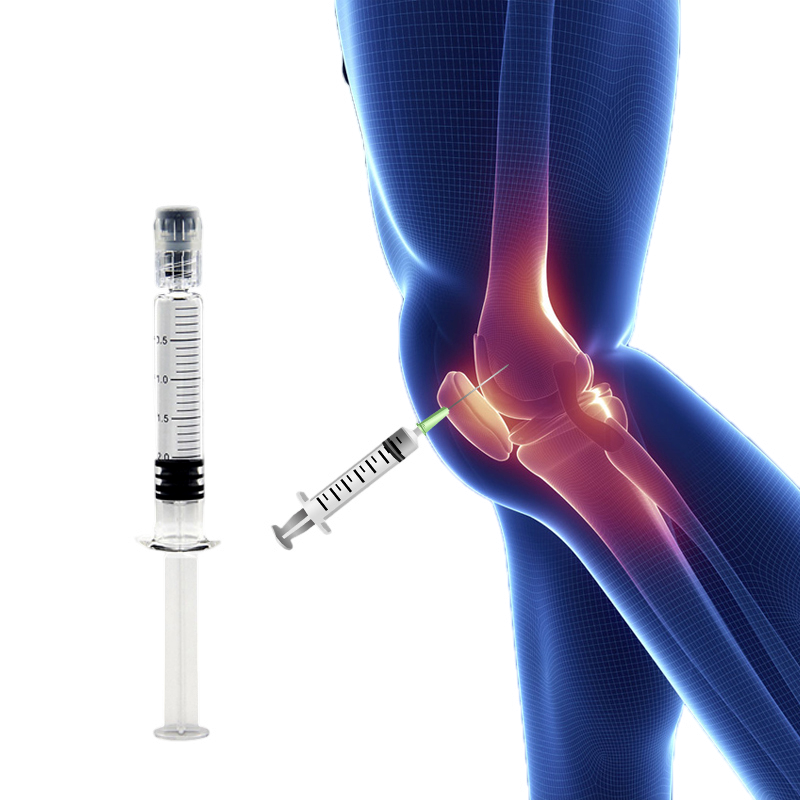
Turkey’s manufacturing scene isn’t monolithic. It’s segmented into large-scale, export-ready powerhouses and nimble, specialist firms. The major industrial zones in Istanbul, Ankara, and Izmir host facilities that are often FDA-registered and CE Marked under the EU’s MDR (Medical Device Regulation), a non-negotiable for serious exporters. For you, the B2B buyer, understanding their core competencies is vital. Some excel in high-purity, non-animal stabilized hyaluronic acid (NASHA) gels with varying particle sizes—key for differentiating your product line for fine lines versus deep volumizing. Others are pushing into advanced domains like calcium hydroxylapatite (CaHA) and polycaprolactone (PCL) fillers.
Here’s a snapshot of the operational landscape you need to know:
| Manufacturer Category | Core Focus & Technology | Typical MOQ & Lead Time | Key Market Destinations | Compliance Highlight |
|---|---|---|---|---|
| Integrated Export Giants | Full-range HA fillers, PCL threads, OEM/ODM. Automated syringe filling lines. | 10,000+ units, 60-90 days | EU, Middle East, Asia, LATAM | CE MDR Class III, ISO 13485, GMP certified |
| Specialist Biotech Firms | High-elasticity monophasic HA, combination products (e.g., HA + vitamins). | 5,000+ units, 45-60 days | UK, GCC, Eastern Europe | CE Mark, ISO 13485, FDA-registered facility |
| Agile Niche Producers | Targeted fillers (lip, under-eye), sourcing local HA raw materials. | 1,000 – 5,000 units, 30-45 days | Regional markets, private clinic chains | CE Mark, Local Health Authority (TITCK) |
For your sourcing strategy, this means direct questions about upstream integration are crucial. Ask: “Do you control your HA fermentation and cross-linking process in-house?” The leading players do, which ensures batch-to-batch consistency—a major point of trust for your end-clinicians. Also, probe their OEM/ODM flexibility. Can they produce your custom syringe design, viscosity, and packaging? The top-tier ones offer extensive customization, which is your ticket to building a distinct brand without the CAPEX of a factory.
Market Dynamics and Sourcing Insights for Global Distributors
Sourcing from Turkey in 2024 is about navigating a dynamic cost-benefit equation. The Turkish Lira’s fluctuations can be a double-edged sword. On one hand, it creates highly competitive FOB prices in USD or EUR, a significant margin advantage for you. On the other, it necessitates vigilant supply chain planning. Smart distributors are locking in longer-term pricing contracts and consolidating shipments to hedge against volatility. The logistics infrastructure is a strong suit: major ports like Ambarlı and Mersin offer reliable sea freight to global hubs, with transit times to EU ports under a week, and to the US East Coast around 2-3 weeks.
The real-time data shows a shift. While traditional strongholds are in the Middle East and North Africa (MENA), Turkish manufacturers are making serious inroads into Latin America and Southeast Asia, competing directly on price and quality with Chinese and Korean suppliers. Their value proposition? A “European-adjacent” quality perception at a more accessible price point. For your business, this means you might source lip fillers from Turkey for your price-sensitive markets, while using their premium, high-G’ (elastic modulus) products for your competitive Western markets.
Regulatory strategy is part of the product. A manufacturer holding a valid CE Certificate under MDR has already undergone rigorous clinical evaluation and post-market surveillance planning. This can significantly streamline your own registration process in markets that recognize or are harmonized with EU standards. However, for the US market, you’ll need a partner who understands the 510(k) or PMA pathway—simply having an FDA-registered factory is just the first step. The forward-thinking Turkish firms now have in-house regulatory affairs teams that can support your specific market entry dossiers, a huge value-add.
Professional Q&A for Distributors
Q1: Beyond CE Marking, what specific quality documentation should I require from a Turkish manufacturer for due diligence?
Demand the full Technical File or Design Dossier summary for the product, proof of biological safety testing (ISO 10993 series), and certificates for raw material sourcing (especially for HA origin and cross-linking agent). Also, ask for recent audit reports from notified bodies. Reputable manufacturers will have these readily available under an NDA.
Q2: How do Turkish filler manufacturers typically handle the issue of product liability and insurance for international distributors?
Established manufacturers carry product liability insurance with global coverage, often up to €2-5 million per claim. The contract must clearly define liabilities. Crucially, ensure the insurance policy covers distributors in your territory. Never assume—request a certificate of insurance and have your legal team review the indemnification clauses in the supply agreement.
Q3: What are the realistic minimum order quantities (MOQs) for custom-branded (OEM) fillers, and what does the customization process entail?
MOQs for custom branding typically start at 5,000 to 10,000 syringes per SKU. The process involves selecting a base product from their portfolio, then customizing: syringe type (e.g., Luer Lock, integrated needle), packaging (box design, IFUs), and possibly minor gel characteristics (like viscosity adjustment). Expect a one-time setup fee for mold changes and packaging design, and a lead time of 4-6 months from final approval to first batch delivery.
Q4: With rising freight costs, what are the most cost-effective shipping and incoterm strategies for importing from Turkey to, for example, South America?
Opt for FOB (Free On Board) İstanbul or Mersin port. This gives you control over the main freight leg. For South America, consolidate a full container load (FCL) if volumes allow. For smaller quantities, use a trusted freight forwarder to group your order with other cargo (LCL) from Turkey. Consider CIF (Cost, Insurance, and Freight) only if you want the supplier to manage the main carriage, but you often get better rates by leveraging your own forwarder’s network. Always factor in the total landed cost.