
Global Market Realities and Vendor Selection Beyond Brand Names
Let’s cut straight to the point. As a B2B buyer or distributor, you’re not just buying a brand; you’re investing in a supply chain partner. The hyaluronic acid filler landscape in 2024 is defined by more than just clinical results; it’s shaped by logistics, regulatory agility, and financial fluidity. The top players have segmented the market into clear tiers, and your choice dictates your market positioning, profit margins, and operational headaches.
The premium tier is still led by the legacy brands—Allergan (Juvéderm), Galderma (Restylane), and Merz (Belotero). For distributors, these names offer instant recognition and demand, but they come with significant MAP (Minimum Advertised Price) controls, stringent territorial agreements, and thinner margins. The real volume and growth, however, are in the “Value-Engineered Premium” and “Compliant Generic” segments. These are manufacturers, often from Asia (with Korea and China as dominant forces), that offer FDA, CE, or other internationally recognized certifications at a 20-40% lower COGS. Their value proposition isn’t just price; it’s flexibility in MOQs, custom branding (OEM/ODM), and faster adaptation to new formulations like lidocaine-integrated gels or longer-lasting cross-linking technologies.
Here’s a snapshot of the current vendor landscape based on Q4 2023 sourcing data:
| Vendor Type / Origin | Key Value Prop for B2B | Typical Lead Time | Primary Compliance | Margin Potential for Distributor |
|---|---|---|---|---|
| Legacy EU/US Brands | Brand Recognition, Clinical Data | 8-12 weeks | FDA, CE, High Local Regulation | Lower (15-25%) |
| Korean Established Mfrs. | Tech Innovation, Balanced Cost | 6-8 weeks | CE, KFDA, FDA for some | Moderate (25-35%) |
| Chinese Top-Tier Mfrs. | Cost Efficiency, Scalability, OEM | 4-6 weeks | CE, NMPA, FDA increasing | Higher (30-45%) |
| Emerging Market Mfrs. | Lowest Cost, High Flexibility | Variable | Local Certs, CE pending | Highest (40%+) |
Your first decision is this: Are you competing on brand prestige or supply chain efficiency? The answer determines your entire sourcing strategy.
Evaluating Manufacturers: It’s About Financial and Operational De-risking
You need a checklist that goes beyond product brochures. When evaluating a HA filler manufacturer, you’re auditing their ability to be a reliable extension of your business.
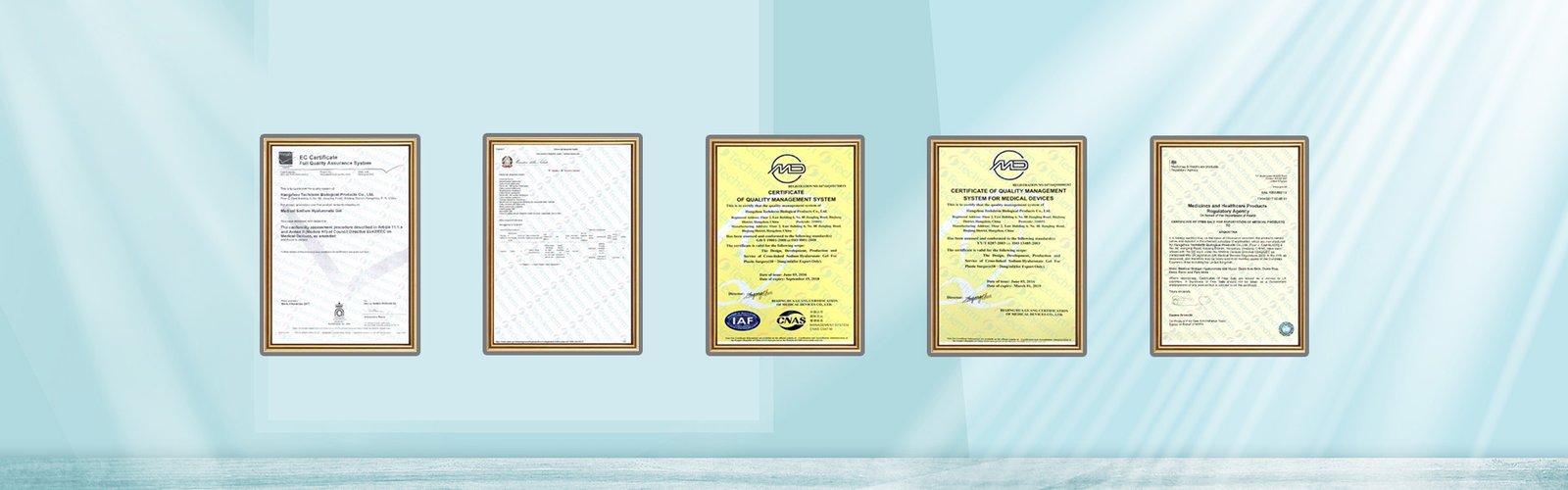
First, regulatory runway. Do they have active certificates for your target markets? A CE mark is the baseline for Europe, but MDR compliance is non-negotiable now. For the US, an FDA 510(k) clearance is a massive advantage, but even having the facility audited and ready for a Drug Master File (DMF) submission is a positive signal. Don’t just look at certificates; ask for the audit reports and their plan for upcoming regulatory changes.
Second, vertical integration. Manufacturers who control their own HA fermentation, cross-linking, purification, and syringe-filling lines offer better cost control and quality consistency. Ask: “What percentage of your core components do you synthesize in-house?” This directly impacts their ability to manage raw material price volatility and ensure batch-to-batch uniformity.
Third, logistics and cold chain proof. HA fillers are sensitive biologics. Demand evidence of their qualified cold-chain packaging and partnerships with reliable global logistics providers (like DHL, FedEx Pharma). What is their standard shipping protocol? What is their policy and cost structure for replacements in case of temperature excursions during transit? This is where hidden costs and losses occur.
Finally, commercial agility. Can they provide OEM/ODM services? What are the minimum order quantities for custom branding? How flexible are they on payment terms (e.g., TT vs. LC)? The best B2B partners act like commercial allies, offering flexible terms during your market entry phase and scaling production seamlessly with your growth.
The New Frontier: Sourcing with an Eye on Supply Chain Finance and Compliance
The smartest distributors are now using their procurement strategy as a financial tool. This is where partnering with the right manufacturer creates a competitive moat.
Consider inventory financing. Some large, financially robust manufacturers offer consignment stock or extended payment terms (90-120 days). This dramatically improves your cash flow cycle. You sell the product before you have to pay for it, turning inventory from a cost center into a revenue-generating asset. This isn’t a given; it’s a term to be negotiated with manufacturers who see you as a strategic partner.
Then there’s compliance-as-a-service. Navigating the Medical Device Regulation (MDR) in Europe, changing ASEAN MDACS requirements, or GCC certification is a full-time job. Progressive manufacturers don’t just give you a CE certificate; they provide a compliance support package. This includes ready-to-submit technical documentation dossiers, authorized representative support, and ongoing vigilance reporting. This service can save you tens of thousands in legal and consulting fees.
Look at digital integration. Can you track your order, batch numbers, and compliance documents through their vendor portal? Seamless integration between their ERP and your system reduces administrative overhead and errors. In today’s market, a manufacturer’s IT infrastructure is as important as their production line.
Future-Proofing Your Portfolio: Next-Gen Trends for the B2B Market
Your sourcing decision today must account for where the market is moving tomorrow. The end-consumer drives this, and B2B players must anticipate.
The demand is shifting towards tailored solutions. Beyond standard nasolabial fold fillers, distributors need products for emerging applications: micro-cannula fillers for safer delicate area treatments, high-G’ prime fillers for sculpting and jawline definition, and low-concentration, high-elasticity fillers for hydrating skin boosters. A manufacturer’s R&D pipeline is critical. Ask: “What new indications are you developing for, and what clinical data are you generating?”
Sustainability is becoming a procurement criterion. B2B buyers for European markets are increasingly asked about Environmental Product Declarations. Manufacturers using green chemistry in cross-linking, reducing plastic in packaging, and implementing ISO 14001 environmental management systems will have a long-term advantage. This isn’t just marketing; it’s about future-proofing against stricter regulations.
Finally, the service model. The most successful distributors are no longer just moving boxes. They are providing training, marketing support, and practice management tools to their clinic clients. Source from manufacturers who offer this upstream. Do they have a turnkey training program? Can they supply 3D animation videos for patient education? Do they offer co-op marketing funds? A manufacturer that invests in your downstream success is a true partner.
Professional Q&A for B2B Distributors
Q1: We are entering a market with strict medical device regulations (like the EU MDR). What specific documents should we demand from a potential HA filler manufacturer beyond the CE certificate?
A: You must obtain the full MDR Technical Documentation or a summary (like the EU DoC annex). Crucially, request the Clinical Evaluation Report proving safety and performance, the Post-Market Surveillance Plan, and the Summary of Safety and Clinical Performance. Also, verify their Person Responsible for Regulatory Compliance is listed with the relevant authority. Ensure your contract stipulates their obligation to provide ongoing vigilance reports and updates for any changes to the product or its documentation.
Q2: How do we accurately verify a manufacturer’s claimed production capacity and quality control to avoid supply chain disruptions?
A: First, request a virtual or on-site audit of their production and QC facilities. Ask for batch production records (redacted for proprietary info) and Certificate of Analysis for several recent batches. Check their ISO 13485 certification audit scope explicitly includes design and manufacturing of HA dermal fillers. Finally, ask for references from two other international distributors they’ve supplied for over two years and contact them to inquire about on-time delivery rates and defect rates.
Q3: What are the key financial and contractual terms we should negotiate to de-risk our initial order with a new manufacturer?
A: Prioritize payment terms: aim for a split payment (e.g., 30% deposit, 70% against copy of Bill of Lading) . Negotiate a product liability clause that holds them responsible for defects originating in manufacturing. Include clear specifications for cold-chain shipping and define accountability and replacement policies for temperature excursions. For your first order, see if they accept a lower MOQ to allow for market testing, with scaled pricing for larger future orders.