
Bio-Chemistry Meets Aesthetic Demand: The Unstoppable Rise of Hyaluronic Acid Fillers in Global Markets

Let’s cut straight to the point. If you’re a B2B distributor or import/export trader in the aesthetic medicine sector, your inventory isn’t complete without hyaluronic acid (HA) fillers. It’s not just a trend; it’s the bedrock of non-surgical facial rejuvenation worldwide. But have you ever stopped to drill down into why this particular molecule dominates conversations, orders, and treatment rooms from Milan to Mumbai to Miami? The reasons are a powerful blend of biology, economics, and shifting global consumer behavior.
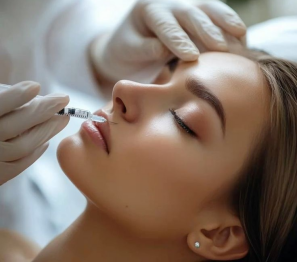
The Core Appeal: A Biological Handshake
First, the science. Hyaluronic acid isn’t a foreign substance. It’s a glycosaminoglycan, a sugar molecule, that our bodies produce naturally. It’s found in highest concentrations in our skin, connective tissues, and eyes. Its primary job? To bind water, providing volume, hydration, and structural support. Think of it as your skin’s innate moisture reservoir and cushioning system.
This native presence is its first major commercial advantage. For distributors, this translates into an easier sell to clinics. The biocompatibility profile of HA fillers is superior. The risk of allergic reaction is extremely low because it’s not animal-derived (like older collagen fillers) and is recognized by the body. This means clinics face fewer pre-testing hurdles and patient concerns, leading to faster consultation-to-treatment cycles. From a liability and streamlined service perspective, it’s a distributor’s dream product.
Precision, Predictability, and Product Diversification
The real game-changer for HA fillers came with the development of cross-linking technology. Pure, natural HA would be broken down by the body’s hyaluronidase enzymes in a mere day or two. Not very useful for a lasting aesthetic correction.
Cross-linking chemically bonds the HA chains together, creating a stable gel matrix. This innovation allows manufacturers to engineer fillers with specific properties: viscosity, elasticity (G-prime), and degradation time. This is where your product portfolio strategy comes in.
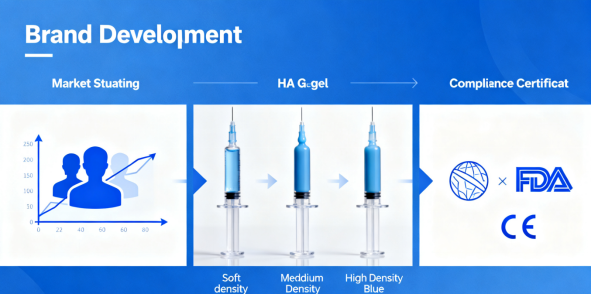
- Thin, fluid gels are for fine lines, superficial hydration, and skin quality. They’re often used in mesotherapy or as bio-revitalizers.
- Medium-density gels target moderate wrinkles (nasolabial folds, marionette lines) and provide subtle lip enhancement.
- High-density, highly cohesive gels are for deep structural volumizing—cheek augmentation, jawline contouring, and chin projection. They have high lift capacity.
For you as a trader, this means you’re not selling one product. You’re offering a complete toolbox. A clinic can use Brand X’s delicate gel for under-eyes, Brand X’s robust volumizer for cheeks, and perhaps a different brand’s specialized lip filler, all based on HA. This drives larger, recurring orders. The predictability of results (when administered correctly) builds clinic and end-user confidence, fueling repeat business and brand loyalty for your distribution channel.
Global Market Drivers: Data Behind the Demand
The numbers don’t lie. The global facial aesthetic market is on a steep climb, and HA fillers are the engine.
| Region | Key Market Driver | Estimated HA Filler Market Share (2023) | Growth Catalyst |
|---|---|---|---|
| North America | High disposable income, strong cosmetic surgery culture, social media influence. | ~45-50% | Rising male patient demand, preventative treatments in younger demographics (20s-30s). |
| Europe | Established medical aesthetics tradition, high patient awareness, robust regulatory framework (CE). | ~30-35% | Medical tourism, increasing demand in Eastern Europe, tech-driven treatments. |
| Asia-Pacific | Explosive growth, especially in South Korea, China, Japan. Cultural emphasis on facial harmony and “V-line” shaping. | ~20-25% (Fastest Growing) | “K-beauty” influence, proliferation of aesthetic clinics, acceptance of non-surgical procedures. |
| Latin America/Middle East | Growing medical infrastructure, rising middle class, focus on volumizing and contouring. | ~10-15% | Medical hubs in Brazil, UAE, and Turkey attracting international patients. |
(Source: Compiled from recent industry reports by Grand View Research, MedTech Intelligence, and International Society of Aesthetic Plastic Surgery surveys)
This geographic breakdown is crucial for your sourcing and logistics. Understanding regional preferences—like the APAC focus on subtle, natural “code modeling” versus stronger volumizing in other regions—helps you advise your manufacturer partners on product development and tailor your marketing collateral.
The “Safety Net” That Fuels Sales: Reversibility
Here’s a feature that, from a business standpoint, is pure genius: reversibility. If a result is overdone or misplaced, a clinician can inject an enzyme called hyaluronidase, which dissolves the HA filler, often within hours.
This “undo button” is a powerful psychological tool. It lowers the barrier to entry for hesitant first-time patients, making clinics more comfortable offering and promoting the treatments. For you in the supply chain, this indirectly supports sales by reducing the perceived risk associated with the core product. It creates a safer, more adaptable treatment ecosystem.
Navigating the Competitive Landscape as a Distributor
The HA filler space is crowded. As a B2B player, your value isn’t just in moving boxes. It’s in your expertise.
- Regulatory Navigation: You must understand the destination market’s regulatory path—FDA PMA (U.S.), CE Marking (EU), NMPA (China), KFDA (Korea). Each has rigorous clinical trial requirements. Partnering with manufacturers who have or are actively pursuing these certifications is non-negotiable for serious market entry.
- Beyond the Syringe: Successful distributors provide more than product. They provide commercial training on product portfolios, clinical technique workshops (often with KOL physicians), and business/marketing support for clinics. This turns a transactional relationship into a partnership.
- The Next Wave: Stay ahead. Monitor trends like longer-lasting HA formulations (12-24 months), lidocaine-integrated products for patient comfort, and regenerative fillers that aim to stimulate collagen. Your clients will look to you for insights on what’s next.
Professional Q&A for B2B Distributors
Q1: For a distributor new to the aesthetics field, what are the minimum regulatory certifications we should look for in a manufacturer’s HA filler product?
A: The absolute baseline is ISO 13485 certification, which covers the quality management system for medical devices. For target markets, prioritize products with a valid CE Mark (Class III medical device) for Europe and the many countries that recognize it. For the U.S., only consider products with FDA Pre-Market Approval (PMA) – the gold standard. For China, NMPA registration is mandatory. Never compromise on these; they are your primary shield against liability and market rejection.
Q2: How significant is the “longevity” claim in HA fillers, and is there a trade-off with safety?
A: Longevity is a key competitive differentiator, often linked to the degree of cross-linking. While 12-18 month products are attractive for clinic marketing and patient appeal, higher cross-linking can alter the gel’s rheology and potentially increase swelling or persistence. The latest generation aims for optimal balance. Distributors should seek manufacturers with transparent, published clinical data (not just internal studies) supporting their longevity claims without a significant rise in complication rates.
Q3: What is the most common supply chain challenge specific to HA fillers, and how can we mitigate it?
A: Cold chain integrity. HA fillers are sensitive to temperature fluctuations. Shipping and storage must maintain a controlled temperature range (typically 2-25°C, check specific product DMR). Use qualified logistics partners with real-time temperature monitoring. Always insist on proper packaging from the manufacturer. A compromised product loses efficacy, leading to clinical failures, returns, and irreparable damage to your and the clinic’s reputation.
Q4: With the rise of online aesthetic product marketplaces, how do we, as traditional distributors, add value?
A: The online market is fraught with counterfeit and unapproved products. Your value is verified authenticity, guaranteed cold chain, and expert support. Clinics buy security. Position yourself as the trusted, knowledgeable partner who provides genuine, traceable products, handles all import/export complexity, and offers the technical and commercial training their staff needs to succeed and stay safe. You’re not a website; you’re a strategic partner.