
If you’re considering enhancing your facial profile with hyaluronic acid chin fillers, you’ve made an exciting decision. Chin fillers have surged in popularity as a non-surgical option for improving facial harmony, balancing proportions, and strengthening the chin and jawline. According to the American Society of Plastic Surgeons, soft tissue fillers remain one of the top five non-surgical cosmetic procedures, with hundreds of thousands performed annually. However, the key to a successful, satisfying outcome lies not just in the skill of your injector, but in how well you prepare. This comprehensive guide will walk you through every step—from initial research to aftercare—ensuring you feel confident, informed, and ready for your transformation.
Understanding the Procedure and Setting Realistic Goals
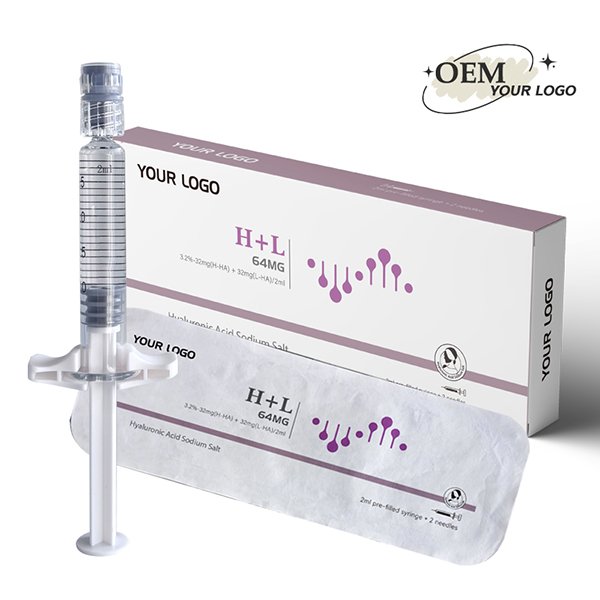
Before booking your appointment, it’s crucial to understand what chin fillers are and what they can—and cannot—achieve. Hyaluronic acid (HA) is a naturally occurring sugar molecule in your skin that retains moisture and adds volume. In filler form, it’s a gel-like substance injected into the chin area to improve contour, projection, and symmetry.
What Chin Fillers Can Do:
- Enhance a recessed or weak chin to bring better balance to your facial features.
- Improve the definition of your jawline and chin.
- Camouflage minor asymmetries.
- Create a more pronounced, balanced profile.
What Chin Fillers Cannot Do:
- Replace the dramatic structural change of surgical chin augmentation (genioplasty).
- Significantly reduce excess fat under the chin (for this, treatments like Kybella or CoolSculpting are considered).
- Provide permanent results; HA fillers are temporary, typically lasting 12 to 18 months.
Start by collecting inspiration photos that reflect your desired outcome. During your mandatory consultation, your provider will assess your facial anatomy, bone structure, and skin quality to determine if you’re a good candidate and how much product might be needed. This is the time to voice all your goals and concerns. A trustworthy practitioner will give you honest, professional feedback and set clear, achievable expectations.
The Pre-Appointment Checklist: 2 Weeks to 1 Day Before
Proper preparation minimizes risks of complications like bruising and swelling and helps ensure optimal results. Here’s your timeline:
2 Weeks Before:
- Schedule a Consultation: Never get filler without a prior, separate consultation. This appointment is for planning, not treating.
- Discontinue Blood-Thinning Agents: After getting approval from your prescribing doctor, stop using aspirin, ibuprofen, naproxen, and other NSAIDs. Also, avoid supplements like vitamin E, fish oil, Ginkgo biloba, St. John’s Wort, and garlic, as they can increase bruising.
- Review Your Medical History: Be prepared to discuss all medications, allergies, and medical history, especially a history of cold sores (herpes simplex), as injections can trigger an outbreak. Your provider may prescribe an antiviral medication as a preventative measure.
1 Week Before:
- Hydrate and Maintain a Healthy Diet: Well-hydrated skin recovers better. Reduce alcohol consumption and avoid excessive salt, which can lead to swelling.
- Avoid Certain Treatments: Steer clear of chemical peels, laser treatments, or aggressive facial procedures on or near the chin area.
2-3 Days Before:
- Start Arnica Montana: This homeopathic supplement is believed by many to help reduce bruising and swelling.
- Stay Hydrated: Increase your water intake.
24 Hours Before:
- No Alcohol: Alcohol is a vasodilator and can increase the risk of bruising.
- Get a Good Night’s Sleep: Rest helps your body recover.
Day of Appointment:
- Arrive Makeup-Free: Come with a clean face.
- Eat a Light Meal: This prevents lightheadedness.
- Wear Comfortable Clothing.
What to Expect During the Appointment: A Step-by-Step Walkthrough
Knowing the process can ease anxiety. A typical appointment lasts 30 to 60 minutes.
- Final Discussion and Consent: You’ll review the treatment plan and sign consent forms.
- Cleansing and Numbing: The chin area will be thoroughly cleansed. Most providers apply a topical numbing cream for about 15-20 minutes to maximize comfort. Many HA fillers also contain lidocaine, a local anesthetic, which helps during and after the injection process.
- The Injection Process: Using a fine needle or cannula (a blunt-tipped tube), your provider will strategically inject the HA gel into predetermined points in the chin. You may feel slight pressure or a pinching sensation. The use of a cannula is increasingly common for chin filler, as it can reduce bruising and allow for more precise placement along the jawline.
- Molding and Assessment: Immediately after injecting, your provider will gently massage the area to shape the filler and ensure smooth, even distribution. You will be given a mirror to assess the initial result.
- Aftercare Instructions: You’ll receive verbal and written instructions for the next 24-48 hours.
Immediate Aftercare and the Recovery Process
The first few days are critical for a smooth recovery and best results.
First 24-48 Hours:
- Apply Ice: Gently apply cold compresses to the area for 10-minute intervals to reduce swelling.
- Avoid Touching or Massaging: Do not manipulate the area unless specifically instructed by your provider.
- Sleep Elevated: Keep your head elevated on pillows to minimize swelling.
- Avoid Strenuous Exercise: Increased blood pressure can worsen swelling and bruising.
- Be Gentle: Avoid excessive facial movements, and wash your face gently.
Common Side Effects (Typically Resolve in 3-7 Days):
- Swelling, redness, and tenderness at injection sites.
- Bruising (can last up to 2 weeks).
- Asymmetry due to swelling—wait for it to fully subside before assessing results.
When to Contact Your Provider: Seek immediate medical attention if you experience signs of a vascular complication (intense pain, blanching/white discoloration of the skin, vision changes) or infection (severe or increasing redness, warmth, pus, or fever).
Choosing the Right Provider and Filler Product
Your safety and results hinge on the skill of your injector. Do not choose based on price alone.
Choosing a Provider:
- Credentials: Seek a board-certified dermatologist, plastic surgeon, or a highly trained, licensed nurse injector or physician assistant under medical supervision.
- Experience: Ask specifically about their experience with chin augmentation using fillers. Request to see before-and-after photos of actual patients.
- Environment: The procedure should be performed in a clean, medical setting.
Understanding Filler Products:
Not all HA fillers are the same. They vary in viscosity (thickness) and G-prime (lift capacity). For the chin, which requires structural support, providers typically choose firmer, more robust fillers. Some of the leading FDA-approved brands used for chin enhancement include:
| Filler Brand | Key Characteristics | Best For | Typical Longevity |
|---|---|---|---|
| Juvéderm Voluma® XC | High G-prime, designed for deep tissue to add volume. | Cheek augmentation, chin enhancement. | Up to 24 months |
| Restylane Defyne® | Flexible and dynamic, designed for movement. | Chin, jawline, and smile lines. | Up to 12 months |
| Restylane Lyft® | A firmer filler with lifting capabilities. | Cheeks, chin, and hands. | Up to 12 months |
| Radiesse® | Note: Not an HA filler, but calcium hydroxylapatite. Stimulates collagen and provides immediate structure. | Chin, jawline, and cheek augmentation. | 12 months or more |
Your provider will select the product that best aligns with your anatomical needs and desired outcome.
Frequently Asked Questions (FAQs)
Q1: How painful is the procedure?
A: Most patients report minimal discomfort. The combination of topical numbing cream and the lidocaine mixed into the filler itself makes the process very manageable. Sensations are often described as brief pinches or pressure.
Q2: Can I reverse the procedure if I don’t like the results?
A: Yes, this is a key advantage of hyaluronic acid fillers. An enzyme called hyaluronidase can be injected to dissolve HA filler, usually within minutes to hours, if results are unsatisfactory or if a complication occurs.
Q3: What is the difference between filler and a chin implant?
A: A chin implant is a surgical procedure involving the placement of a solid silicone prosthesis on the bone for permanent, dramatic augmentation. Filler is non-surgical, involves no incisions or general anesthesia, offers temporary but adjustable results, and requires minimal downtime. Filler is ideal for moderate enhancement or for those wanting to “test drive” a new look before committing to surgery.
Q4: Are there any long-term risks or side effects?
A: When performed by a skilled professional, chin fillers are very safe. Long-term risks are rare but can include persistent asymmetry, lumpiness (often technique or product-related), or vascular complications which, if not treated immediately with hyaluronidase, can lead to skin necrosis. Choosing an expert injector is the single most important factor in mitigating these risks.
Q5: How much do chin fillers typically cost?
A: As of 2023/2024, costs vary widely by geographic region and provider expertise, typically ranging from $800 to $2,500 per syringe. Most chin augmentations require 1-2 syringes. Remember, this is a medical procedure—prioritize the provider’s skill and safety record over finding the lowest price.
By investing time in thorough preparation, you are actively participating in the success of your treatment. A well-informed patient who partners with a qualified medical professional is the perfect formula for achieving a natural, beautiful, and confidence-boosting result from your hyaluronic acid chin filler journey.